
Modern fundraising campaigns generate an abundance of operational data, offering organizers unprecedented visibility into supporter behavior. From community-led projects in Accra to large-scale campus events and creative initiatives, digital platforms have made it easier to track transactions, digital votes, and ticketing trends in real-time. However, access to this data brings a significant responsibility to handle donor and participant information ethically and securely.
Understanding how to interpret your campaign analytics without compromising individual privacy is essential for maintaining community trust. This guide explores the critical distinction between various financial metrics, the limits of ethical donor segmentation, and how to use data responsibly to guide your fundraising strategy. By focusing on transparent practices, campaign organizers can build lasting relationships with their supporters.
Navigating Campaign Financial Metrics
When monitoring a fundraising campaign, dashboard analytics present a wide range of data points. It is easy to misinterpret these figures if you do not understand what they represent. For example, your gross transaction volume is rarely identical to the funds currently available for deployment. Distinguishing between these numbers prevents administrative errors and ensures your organization remains solvent throughout its life cycle.
Tracking Gross Revenue vs. Available Balance
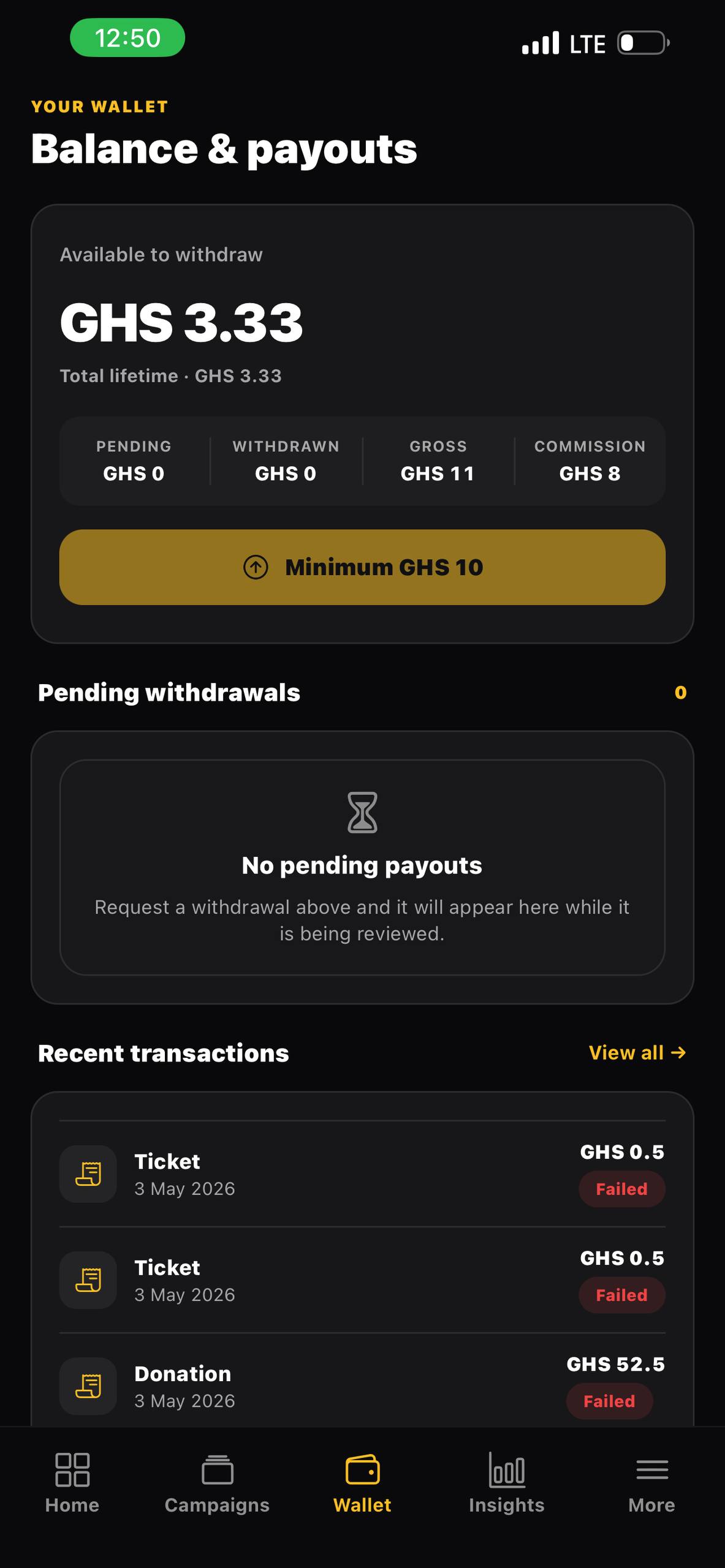
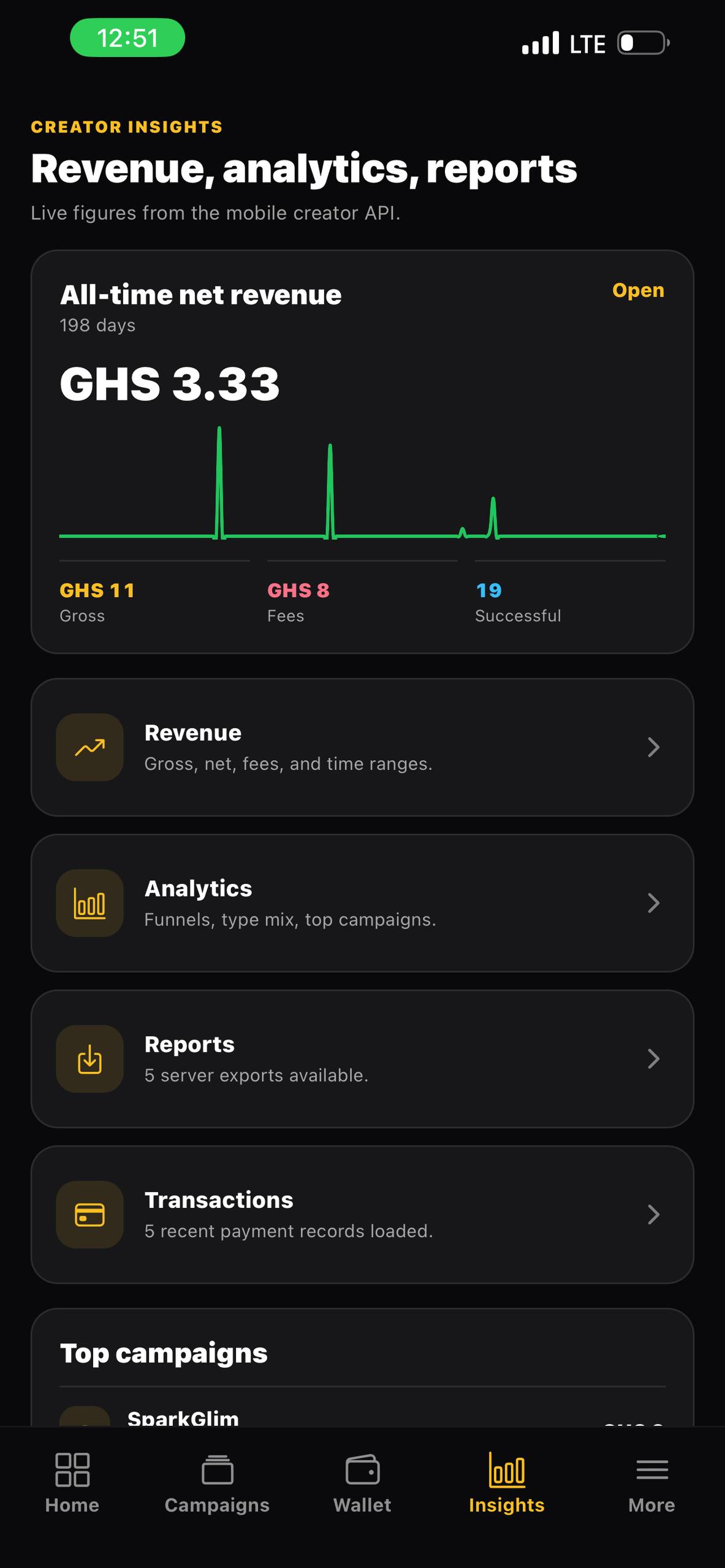
Gross revenue reflects the total value of all transactions processed during your campaign. This figure does not account for processing fees, active holds, or transactions that are currently in a pending state. In contrast, your available balance represents the settled funds that are ready for distribution or withdrawal. When utilizing the SparkGlim mobile tools, monitoring these differences in real-time helps organizers maintain an accurate picture of their financial health.
Processing Pending Transactions and Refunds
In many payment networks, especially mobile money networks common across Ghana and other regional markets, transactions may occasionally sit in a pending state. This can happen due to network delays, multi-step verification, or temporary carrier issues. Treating a pending transaction as settled can lead to premature delivery of voting power, event tickets, or physical rewards. It is critical to wait until the status officially shifts to settled before accounting for those funds. Additionally, establishing a clear policy for handling refunds prevents unexpected adjustments to your available balance, ensuring your operational budget remains stable.
Responsible Supporter Segmentation
Data segmentation allows campaign organizers to group donors based on their participation habits, such as frequency of giving, interest in specific causes, or ticket purchasing history. While this is a powerful tool for tailoring updates, it must be approached with caution to avoid intrusive practices that make supporters feel monitored.
Respecting Donor Privacy
Safeguarding personal information is both an ethical duty and a legal requirement in many jurisdictions. Reviewing the SparkGlim privacy guidelines provides a foundational understanding of how donor information should be handled. When managing campaigns, you should limit the collection of personal identifiers. Only request information that is absolutely necessary to process the contribution or distribute the campaign rewards. Storing unnecessary personal details increases the potential impact of accidental exposure.
Avoiding Data Overreach
Overreach occurs when organizers use donor data in ways the supporter did not anticipate or consent to. For instance, using contact details collected during a ticket purchase for an unrelated high-frequency marketing campaign can alienate your audience. Instead, offer clear opt-in mechanisms for general newsletters and campaign updates. Focus your analytical efforts on aggregate trends rather than closely monitoring individual donor behavior, ensuring your community feels respected and secure.
Analytical Decision-Making for Organizers
Data should inform your strategy, not dictate actions that compromise your values. Responsible decision-making relies on analyzing patterns over time to optimize your reach. For example, understanding which times of day yield the highest donation volume can help you schedule your promotional updates more effectively without needing to profile individual users.
To help maintain high ethical standards while managing your campaigns, use the following operational checklist:
- Data Minimization: Review your custom form fields and remove any requests for personal information that are not essential for campaign execution.
- Access Control: Limit administrative access to your dashboard to essential team members who require the information for logistics or accounting.
- Clear Documentation: Keep a record of your refund policies and make them easily accessible to donors before they contribute.
- Balance Verification: Always base physical purchases or campaign payouts on your actual available balance rather than gross estimates.
Ethical Stewardship and Community Growth
By adopting a disciplined approach to analytics, organizers build a foundation of trust that supports long-term engagement. When donors know their payment details are processed through secure channels and their personal information is handled with care, they are far more likely to return for future initiatives. Whether you are running a creative project, a campus drive, or an international fundraiser, your commitment to data responsibility reflects the core values of your organization.
Using professional platform features to manage your campaign allows you to focus on your mission while keeping administrative processes organized. If you are preparing to launch a new initiative, explore how SparkGlim can support your goals by visiting the SparkGlim fundraising hub today.
Frequently Asked Questions
What is the difference between gross revenue and available balance?
Gross revenue represents the total value of all transactions initiated, whereas available balance is the net amount settled and ready for withdrawal, excluding processing fees, refunds, and pending holds.
How should campaign organizers handle pending transactions?
Pending transactions should be treated as unverified. Organizers should monitor their status and only deliver goods, digital votes, or rewards once the transaction is marked as settled.
How does data minimization protect donor privacy?
Data minimization involves collecting only the essential information required to process a donation or verify a ticket, reducing the security and privacy risks associated with storing excess data.
What is the best way to manage team access to campaign dashboards?
Organizers should restrict dashboard access to key team members who require the data for operations, ensuring sensitive donor and transaction details are not unnecessarily exposed.
Article gallery
Frequently asked questions
What is the difference between gross revenue and available balance?
Gross revenue represents the total value of all transactions initiated, whereas available balance is the net amount settled and ready for withdrawal, excluding processing fees, refunds, and pending holds.
How should campaign organizers handle pending transactions?
Pending transactions should be treated as unverified. Organizers should monitor their status and only deliver goods, digital votes, or rewards once the transaction is marked as settled.
How does data minimization protect donor privacy?
Data minimization involves collecting only the essential information required to process a donation or verify a ticket, reducing the security and privacy risks associated with storing excess data.
What is the best way to manage team access to campaign dashboards?
Organizers should restrict dashboard access to key team members who require the data for operations, ensuring sensitive donor and transaction details are not unnecessarily exposed.
Found this helpful?



Comments (0)