
Event planning is a complex logistical exercise that requires balancing creative vision with rigorous operational discipline. Whether you are coordinating a university workshop in Legon, a corporate product launch in Accra, or a community fundraising campaign, success is rarely the result of chance. It stems from a structured approach that moves systematically from initial conception to the final post-event assessment, ensuring every stakeholder is aligned and every resource is accounted for.
In today's digital-first environment, the tools at your disposal—such as SparkGlim event management—have transformed how organizers handle ticketing, registration, and attendee engagement. By integrating technology early into your planning phase, you reduce administrative burden and provide a better experience for your participants. This playbook provides a reliable roadmap to help you navigate the intricacies of planning, execution, and review.
Phase 1: Foundation and Strategy
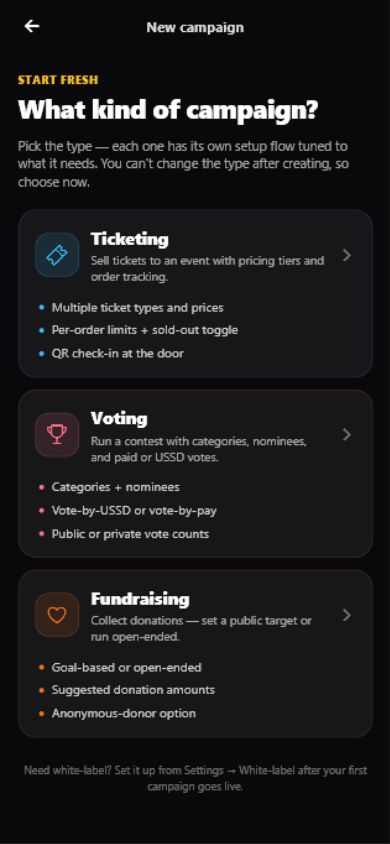
Before selecting a venue or designing a flyer, you must define the core intent of your event. A vague objective leads to a disjointed guest experience. Ask yourself: Is this for brand awareness, revenue generation, or community building?
Defining Objectives and Audience
- Specific Goals: Define success metrics such as ticket sales volume, attendee headcount, or specific fundraising targets.
- Target Audience: Build a persona for your ideal participant. Are they students, industry professionals, or casual community members? Tailor your tone and outreach accordingly.
Budgeting and Resource Allocation
Financial transparency is critical. List all expected expenditures including venue rental, speaker fees, catering, marketing, and contingency buffers. In Ghana, it is wise to account for fluctuations in service costs and potential technical requirements for payment processing.
Phase 2: Logistics and Digital Integration
Once the foundation is set, logistics take center stage. This is where your choice of digital infrastructure determines how smoothly the event day will run.
Venue, Registration, and Ticketing
Select a location that aligns with your audience size and logistical requirements. For registration, avoid manual paper-based tracking which is prone to error. Utilizing a platform like SparkGlim registration allows for secure data collection and automated status updates.
Communication and Staffing
Establish a clear communication hierarchy. Your team should know exactly who is responsible for troubleshooting, guest check-in, and managing vendors. Use digital tools to push notifications to your registered attendees regarding schedule changes or essential event updates.
Phase 3: Risk Management and Delivery
Every event faces unforeseen challenges, from technical glitches to weather changes. A solid risk management plan includes:
- Technical Contingency: Have backup internet sources and offline verification protocols if relying on QR code scanning.
- Safety Protocols: Clearly communicate security and medical assistance points for attendees.
- Stakeholder Communication: Ensure your team is synchronized through a shared digital dashboard for live updates.
Phase 4: Post-Event Review
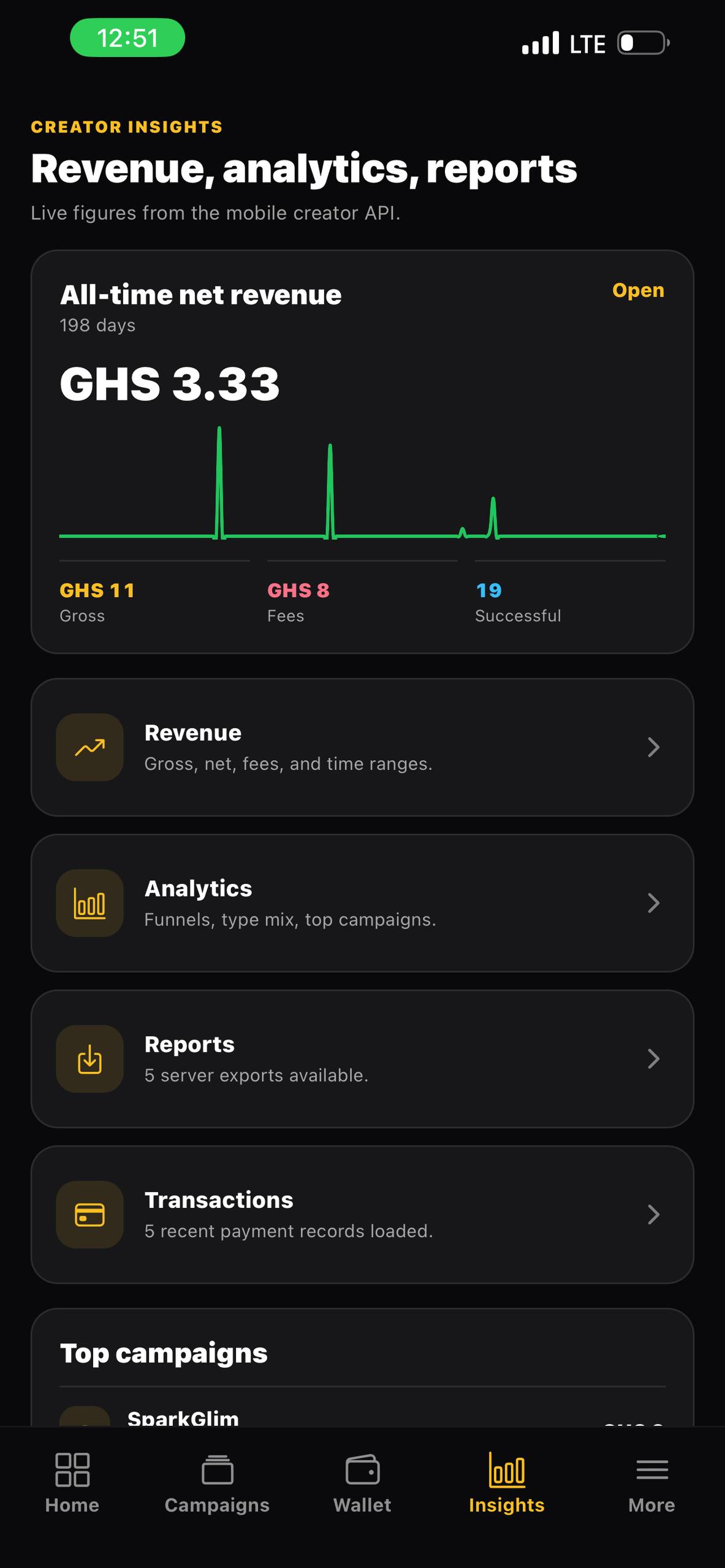
The work doesn't end when the lights go out. A post-event analysis is the most effective way to improve your next campaign. Review your transaction history, attendee feedback, and engagement metrics via the SparkGlim blog resources and dashboard analytics to understand what resonated with your audience and where the process broke down.
Checklist for Review:
- Did we meet our budget projections?
- What was the actual versus projected attendance?
- Were there recurring complaints during registration or check-in?
- What engagement features (e.g., voting, Q&A) were most utilized?
Frequently Asked Questions
How do I determine the right ticket price for my event?
Start by calculating your total fixed and variable costs. Add a reasonable profit margin and compare this against market rates for similar events in your specific location to ensure viability.
What should I do if my attendee registration is lower than expected?
Evaluate your marketing reach and the clarity of your event's value proposition. Consider utilizing mobile creator tools to send targeted notifications or adjusting your social media strategy to boost urgency.
How can I ensure ticket security at the entrance?
Using digital verification, such as QR code scanning, prevents duplicate entry and fraud while providing you with an accurate, real-time log of who has arrived at your event.
What is the benefit of using an integrated event platform?
Centralized platforms reduce operational fragmentation by hosting your registration, ticketing, and reporting in one place, allowing for faster decision-making based on live analytics.
Ready to start planning your next successful event? Visit SparkGlim Events today to create your first campaign and streamline your organizational workflow.
A 12-week delivery rhythm that keeps the plan usable
A planning document only helps when it controls real decisions. Twelve weeks before the event, confirm the purpose, accountable owner, working budget, audience, venue requirements, campaign type, and the one outcome that defines success. Record assumptions separately from confirmed facts. This prevents an early estimate from quietly becoming a promise. It is also the right point to decide whether the experience needs ticketing, voting, fundraising, or a combination of public information and registration.
Between weeks ten and eight, lock the operational structure. Build ticket types or participation rules, define capacity, prepare campaign media, assign team responsibilities, and agree on who may change public information. Test the participant journey on a real phone from discovery through confirmation. If payment is involved, verify the configured channel and make a small controlled test rather than waiting for launch day. Accessibility, refund or cancellation communication, data handling, and escalation contacts belong in this phase as well.
From launch to event day
- Weeks seven to five: publish the campaign, brief partners, release the first communication sequence, and review early questions for signs that the page is unclear.
- Weeks four to three: compare activity with capacity and targets, confirm suppliers, train check-in leads, and prepare attendee reminders without creating artificial urgency.
- Week two: freeze non-essential changes, test scanners and backup devices, verify staff access, print only the operational materials that are genuinely required, and document exception handling.
- Final 48 hours: confirm venue access, connectivity options, charging, staffing, ticket or participant lookups, safety contacts, signage, and the exact time each public action closes.
- Event day: use one operations lead, a short incident log, clear queue ownership, and regular status checks. Resolve the participant in front of you before optimizing the dashboard.
Within 48 hours after the event, reconcile attendance and campaign activity, record unresolved cases, thank participants, and communicate any next step. Hold a short review while details are fresh: what happened, why it happened, what should be repeated, and what needs an owner before the next event. A useful review produces a small number of assigned improvements, not a long document that nobody revisits.
Article gallery
Frequently asked questions
How do I determine the right ticket price for my event?
Start by calculating your total fixed and variable costs. Add a reasonable profit margin and compare this against market rates for similar events in your specific location to ensure viability.
What should I do if my attendee registration is lower than expected?
Evaluate your marketing reach and the clarity of your event's value proposition. Consider utilizing mobile creator tools to send targeted notifications or adjusting your social media strategy to boost urgency.
How can I ensure ticket security at the entrance?
Using digital verification, such as QR code scanning, prevents duplicate entry and fraud while providing you with an accurate, real-time log of who has arrived at your event.
What is the benefit of using an integrated event platform?
Centralized platforms reduce operational fragmentation by hosting your registration, ticketing, and reporting in one place, allowing for faster decision-making based on live analytics.
Found this helpful?


Comments (0)