
The Shift Toward Intelligent Event Orchestration
As we navigate 2026, the event management landscape has moved beyond simple ticketing. Organizers in Ghana and across global markets are shifting their focus toward unified ecosystems where every touchpoint, from the initial discovery of an event to the final ticket validation, acts as a data point for growth. The core of this evolution lies in reducing friction for the participant while empowering the organizer with actionable analytics that bridge the gap between digital marketing and real-world attendance.
We are observing a marked transition toward mobile-centric operations. Because the majority of attendees now interact with event discovery platforms via handheld devices, the responsiveness and speed of these tools determine the success of a campaign. Whether you are managing a campus festival or a professional community conference, the ability to centralize ticket sales, voting systems, and fundraising within a single platform is no longer a luxury—it is a operational requirement to maintain audience trust and operational flow.
Key Trends Redefining Participant Experience
1. Mobile-First Discovery and Ecosystems
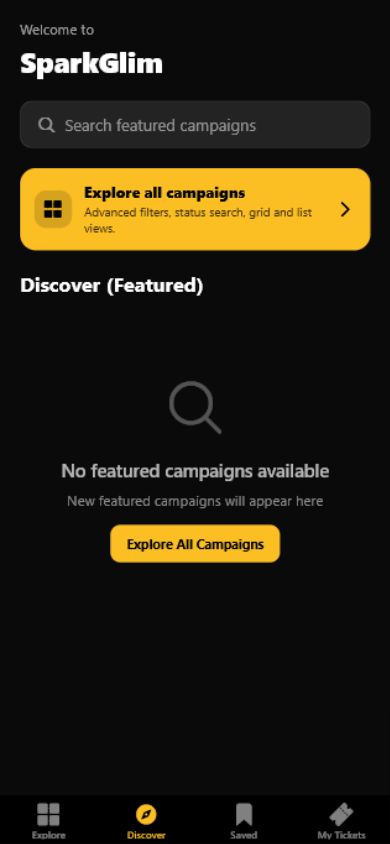
Attendees today expect a cohesive journey. When a user finds an event through SparkGlim events, they expect the experience to be consistent through purchase and entry. The trend in 2026 is "discovery-to-entry" continuity. This means organizers must prioritize platforms that allow users to view event details, pay using local methods, and access their digital tickets without leaving the ecosystem. By using the SparkGlim app, participants enjoy a unified experience that reduces bounce rates during the checkout process.
2. High-Efficiency QR Operations
The reliance on manual guest lists has effectively vanished. QR-based verification has become the standard for gate management. Beyond just scanning, the current trend involves real-time analytics linked to these scans. Organizers now track arrival patterns to optimize staffing levels and security presence at high-traffic entry points, ensuring that the wait time at busy Accra or regional events is kept to an absolute minimum.
3. Creator Mobility and Distributed Management
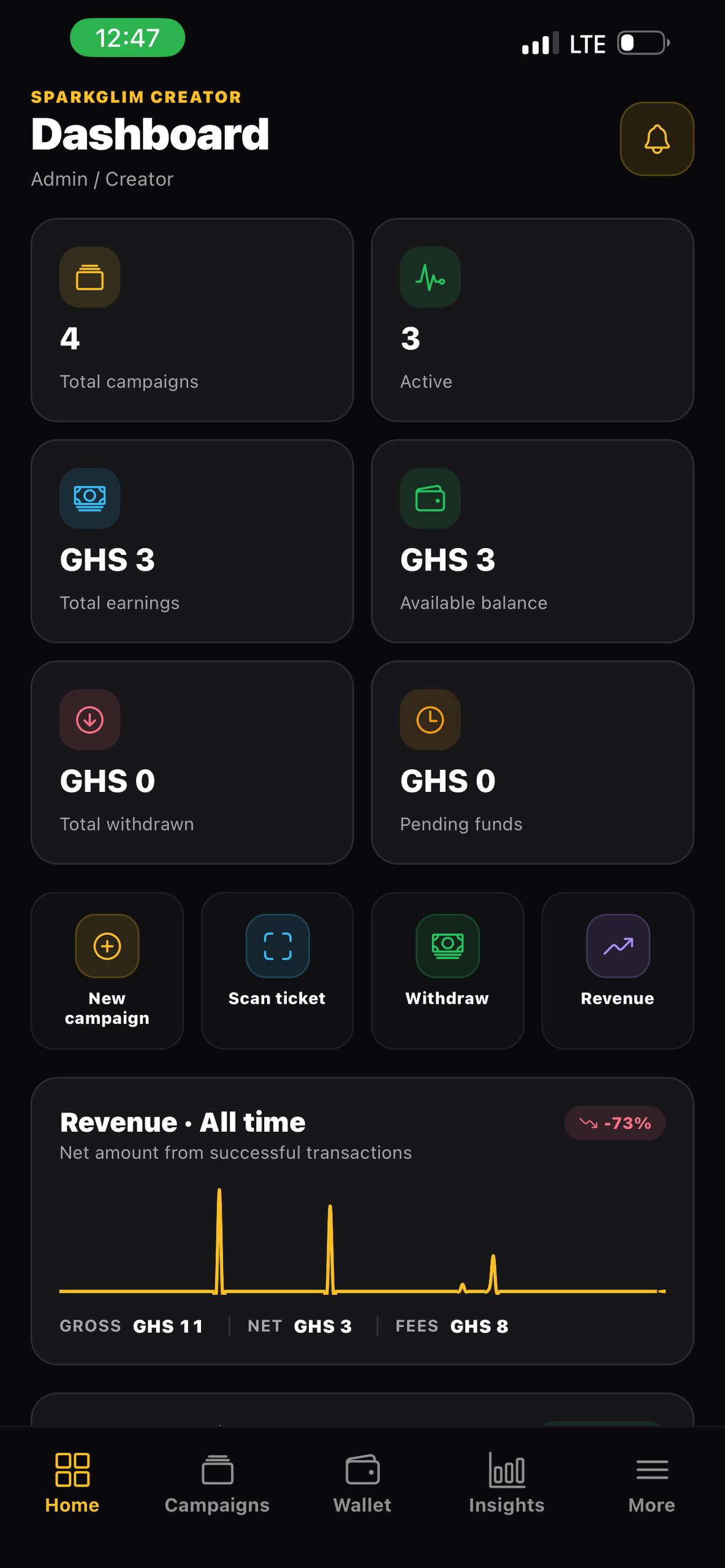
The modern creator is rarely tied to a desktop. The shift toward the creator mobile app allows organizers to manage sales, check ticket status, and monitor fundraising progress while on the move. This mobility ensures that even if an organizer is backstage or traversing a venue, they remain in total control of their campaign’s metrics.
Actionable Checklist for Modern Organizers
To align with these trends, evaluate your current workflow against these criteria:
- Unified Data: Can you view ticketing, voting, and fundraising data in one dashboard?
- Frictionless Entry: Is your verification process entirely reliant on digital QR codes?
- Mobile Readiness: Can your team manage attendee check-ins using a mobile-optimized tool?
- White-Label Potential: As your brand grows, have you considered custom-branded event environments to reinforce your authority?
Responsible Automation and Audience Trust
While automation is critical for scaling, it must be balanced with human-centric service. Using automated notifications to keep attendees informed about schedule changes or campaign milestones is excellent, but these tools should never replace the personalized response required for customer support. Responsible automation means using technology to handle the heavy lifting of logistics, freeing up the organizer to focus on the quality of the content and the overall participant experience.
Conclusion
The trends of 2026 point toward a more integrated, mobile, and data-aware approach to event management. By adopting tools that emphasize mobile accessibility and unified data, organizers can spend less time struggling with manual processes and more time building impactful campaigns. Ready to modernize your approach? Start by exploring our current tools and platforms.
Explore the latest events and get started with SparkGlim today.
Frequently Asked Questions
How does mobile-first discovery improve event attendance?
Mobile-first discovery ensures that your event is easily searchable and purchase-ready for the vast majority of users who access the internet via their phones. By removing technical barriers, you increase the likelihood of conversion.
Why is QR verification essential for modern events?
QR verification speeds up entry, prevents ticket duplication, and provides organizers with real-time data on attendee traffic, which is crucial for safety and resource management.
Can I manage my event while on the move?
Yes, using mobile tools like the SparkGlim creator mobile app, you can monitor ticket sales, verify entries, and check campaign analytics from anywhere, ensuring you stay in control of your event.
How do unified campaign data tools help organizers?
Unified data tools eliminate the need for manual record-keeping by consolidating ticketing, voting, and donor information into one location, allowing for more accurate and timely decision-making.
Article gallery
Frequently asked questions
How does mobile-first discovery improve event attendance?
Mobile-first discovery ensures that your event is easily searchable and purchase-ready for the vast majority of users who access the internet via their phones. By removing technical barriers, you increase the likelihood of conversion.
Why is QR verification essential for modern events?
QR verification speeds up entry, prevents ticket duplication, and provides organizers with real-time data on attendee traffic, which is crucial for safety and resource management.
Can I manage my event while on the move?
Yes, using mobile tools like the SparkGlim creator mobile app, you can monitor ticket sales, verify entries, and check campaign analytics from anywhere, ensuring you stay in control of your event.
How do unified campaign data tools help organizers?
Unified data tools eliminate the need for manual record-keeping by consolidating ticketing, voting, and donor information into one location, allowing for more accurate and timely decision-making.
Found this helpful?
Comments (0)