
Managing a successful event—whether a corporate conference in Accra, a student-led seminar on a university campus, or a nationwide community festival—requires careful coordination across multiple stages. Traditionally, organizers have had to piece together disparate tools to handle registration, distribute digital tickets, manage gate entry, and analyze financial performance. This disjointed approach frequently leads to communication gaps, slow entry lines, and complex post-event reconciliation processes.
SparkGlim addresses these challenges by offering a cohesive platform designed to streamline the entire event lifecycle. From initial concept setup to final analytical reporting, the platform unites public discovery, modern ticketing tools, secure check-ins, and multi-layered reporting into a single dashboard. By understanding how to leverage these features systematically, creators and organizations can eliminate operational friction and focus on delivering an excellent experience for their attendees.
1. Planning and Campaign Setup
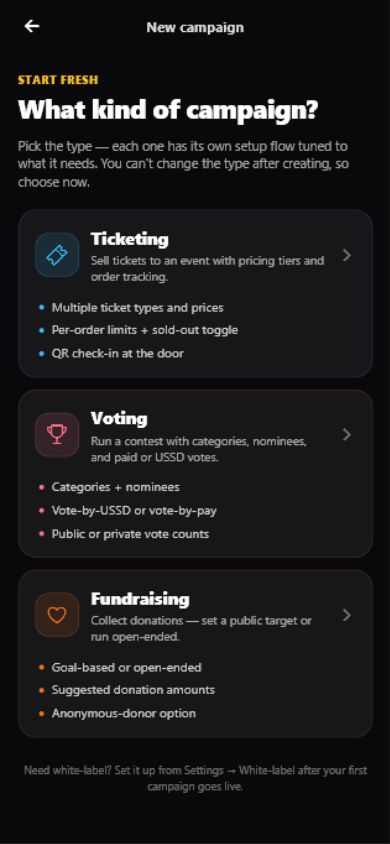
Every successful event begins with a structured plan. Within the SparkGlim platform, organizers can transform their plans into digital campaigns. Setting up a campaign involves specifying essential details such as the event title, date, venue, and a clear description. SparkGlim supports both public campaign discovery and more restricted configurations, allowing organizers to choose how their event is presented to the public.
During this setup phase, creators define their ticketing structures. The platform accommodates multiple ticket tiers, such as standard entry, VIP passes, or early-bird promotions. Organizers can also set capacity limits for each tier to prevent overselling. If the event is managed by a team, the platform allows organizers to grant team access, ensuring that coordinators, marketers, and administrators have the appropriate permissions to contribute without sharing master credentials.
2. Publishing and Reaching Your Audience
Once your campaign is configured and saved, publishing it makes it visible to the community. Published campaigns benefit from SparkGlim's public campaign discovery features. Potential attendees can explore upcoming gatherings, filter through active listings, and purchase tickets directly through the web platform. To see active campaigns or find inspiration for your own layout, you can browse existing listings on the SparkGlim Events Portal.
The publishing step also generates a dedicated landing page for your event. This page is optimized for mobile viewing, ensuring that users browsing on smartphones can read your event schedule, view ticketing terms, and purchase passes with minimal load times. This mobile-first design is particularly crucial in markets like Ghana, where mobile devices are the primary gateway to the internet.
3. Managing Ticket Sales and Participant Registrations
As tickets go on sale, secure transaction handling becomes paramount. SparkGlim processes transactions securely, offering peace of mind to both the organizer and the participant. The platform supports a variety of local payment methods, which can vary based on campaign configuration, geographical location, and administrative approval. For instance, in Ghana and neighboring markets, integration with mobile wallet services ensures that attendees can complete purchases using their preferred mobile money providers.
To begin organizing your own event and collecting registrations, you can quickly set up your creator account on the SparkGlim Register Page. Beyond traditional ticketing, SparkGlim's platform context also supports unique engagement options. If your event includes interactive elements, such as a talent showcase or a pitch competition, you can integrate digital voting features, allowing attendees to buy and cast specific vote quantities directly within the event ecosystem.
4. On-Site Execution: QR Code Ticket Verification
The true test of an event platform occurs at the entrance gate. Manual guest lists and paper ticket collections often create bottlenecks, leading to long queues and frustrated attendees. SparkGlim resolves this by assigning a unique, secure QR code to every registered ticket. Attendees receive these digital tickets directly, which they can present on their mobile screens at the entrance.
On-site staff can use the specialized mobile interface to scan and verify these QR codes instantly. By accessing the scanner through the SparkGlim Creator Mobile Tools, gate coordinators can validate tickets on the go, check real-time attendance numbers, and prevent duplicate entries. This eliminates the need for expensive dedicated scanning hardware, turning any compatible mobile device into an efficient gate-management tool.
5. Real-Time Monitoring and Insights
Throughout the duration of the ticket sales period and the event itself, having access to accurate data is vital. The creator dashboard provides clear, real-time insights into how your campaign is performing. Organizers can track key metrics such as total tickets sold, revenue generated, and actual attendee check-in rates as they happen.
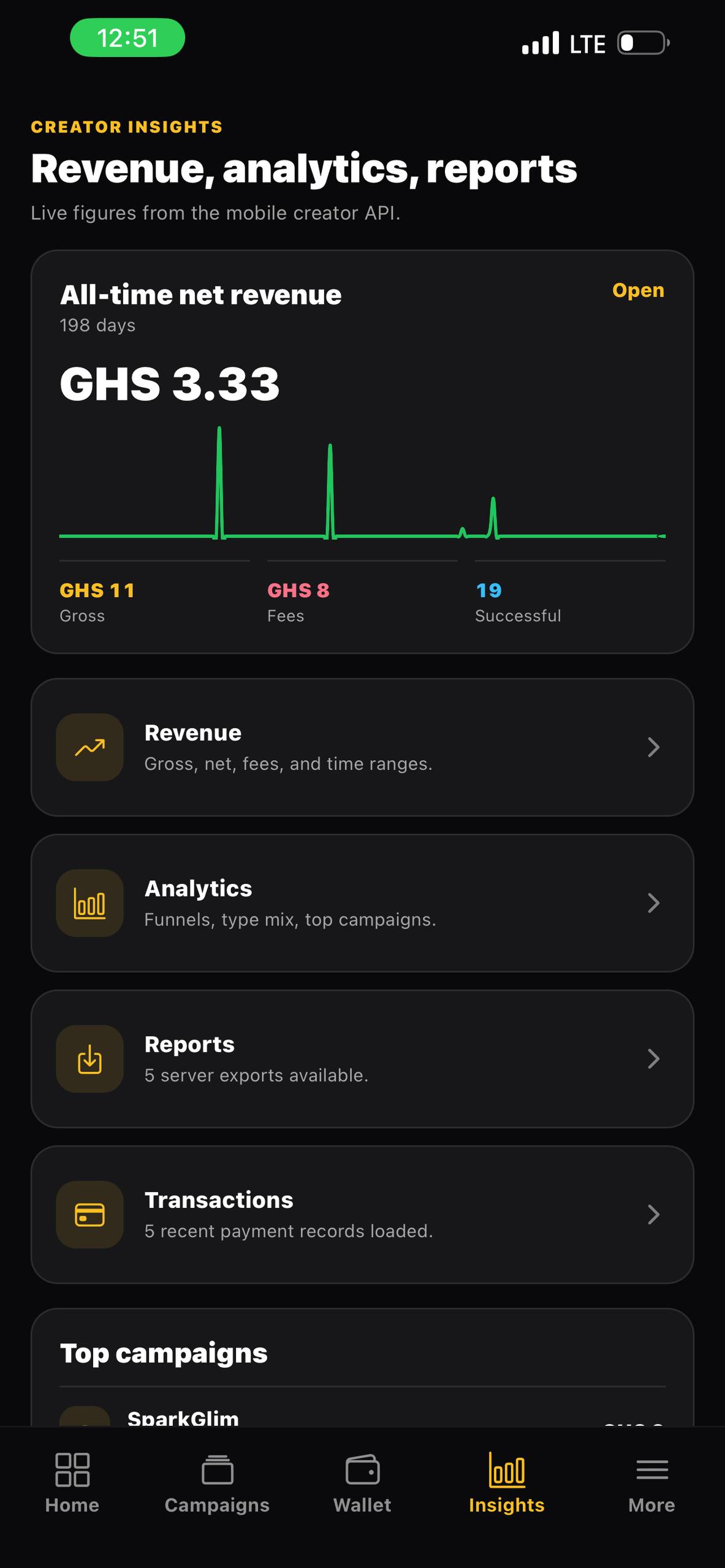
These analytics help teams make informed, active decisions. If standard ticket sales are lagging but VIP tickets are sold out, organizers can adjust their marketing strategy immediately. Additionally, transaction histories are updated continuously, allowing the planning team to verify payments and monitor overall registration health without waiting for manual batch updates.
6. Post-Event Reconciliation and Reporting
Once the last attendee has departed, the final phase of event management begins. Accurate post-event reconciliation is essential for assessing financial success, evaluating marketing channels, and preparing reports for sponsors or board members. SparkGlim simplifies this administrative step by housing all sales and participation data under one roof.
Organizers can review complete transaction logs, export registration data, and cross-reference total ticket issuances against verified gate scans. This detailed reporting highlights the exact drop-off rate (the difference between tickets distributed and actual attendees) and simplifies the calculation of net revenues. The clean presentation of data ensures that reconciliation is a straightforward process, rather than a multi-day accounting chore.
Event Organizer's Launch Checklist
To ensure no steps are missed during your next campaign, use this step-by-step checklist:
- Draft Phase: Define your ticket tiers, set capacity caps, and draft clear guidelines for attendees.
- Team Setup: Invite team members to the dashboard and assign gate roles.
- Payment Validation: Verify that your approved payment configurations align with your target audience's preferences.
- Publish: Make your campaign public and share the direct link across your communication channels.
- Gate Prep: Ensure all gate coordinators have access to the mobile creator scanning tool.
- Post-Event: Extract transaction records and cross-reference attendee scan data for final reports.
Frequently Asked Questions
How do attendees receive their event tickets?
Once a purchase or registration is complete, attendees receive a digital ticket featuring a unique QR code via email or their account dashboard, ready to be scanned at the gate.
Can I use the SparkGlim platform for events that also feature digital voting or fundraising?
Yes. SparkGlim supports unified campaigns where organizers can run paid ticketing, process digital votes with specific vote quantities, and collect fundraising contributions all within the same ecosystem.
How do gate coordinators scan and verify tickets on the day of the event?
Organizers and their designated team members can log into the creator mobile tools to access the QR scanner, allowing them to rapidly scan and validate attendee tickets in real time.
What payment methods are supported for ticket sales in Ghana?
SparkGlim supports local mobile wallet configurations alongside standard payment card processing. Availability is determined by the specific campaign setup, country of operation, and administrative approval.
Conclusion
By unifying setup, promotion, secure payments, mobile gate verification, and comprehensive reporting, SparkGlim removes the technical fragmentation that often complicates event production. Organizers can confidently execute their plans, knowing that their data remains consolidated and accessible. Ready to launch your next project? Get started today by registering your organizer account on the SparkGlim Registration Portal.
Article gallery
Frequently asked questions
How do attendees receive their event tickets?
Once a purchase or registration is complete, attendees receive a digital ticket featuring a unique QR code via email or their account dashboard, ready to be scanned at the gate.
Can I use the SparkGlim platform for events that also feature digital voting or fundraising?
Yes. SparkGlim supports unified campaigns where organizers can run paid ticketing, process digital votes with specific vote quantities, and collect fundraising contributions all within the same ecosystem.
How do gate coordinators scan and verify tickets on the day of the event?
Organizers and their designated team members can log into the creator mobile tools to access the QR scanner, allowing them to rapidly scan and validate attendee tickets in real time.
What payment methods are supported for ticket sales in Ghana?
SparkGlim supports local mobile wallet configurations alongside standard payment card processing. Availability is determined by the specific campaign setup, country of operation, and administrative approval.
How de _with_The $ “As_ the } the `
The _The A-In The
Found this helpful?


Comments (0)