
One Operations Layer for Ticketing, Voting, and Fundraising requires more than a collection of tools. It requires a clear participant promise, an operating plan, and records that let the organization understand what happened. This guide translates the topic into decisions that event organizers, campus bodies, businesses, community organizations, and campaign teams can apply.
SparkGlim provides the connected backend for ticketing, digital voting, fundraising, USSD access, creator operations, public discovery, analytics, notifications, and approved white-label experiences. The practical value comes from configuring those capabilities around truthful rules and a prepared team.
How organizations can govern distinct campaign types from one SparkGlim
Treat this as an operating decision, not a line item that can be left until launch week. For One Operations Layer for Ticketing, Voting, and Fundraising, the practical question is how how organizations can govern distinct campaign types from one SparkGlim account while retaining campaign-specific rules affects the people participating, the team operating the campaign, and the organization responsible for the outcome. Define what "ready" means before activity increases, and avoid changing the rule silently after people have started using it.
Review the participant-facing wording on a small screen, then test the same decision from the creator or organizer view. Both sides must describe the same status and next action. SparkGlim should hold the campaign workflow and records together, while the organization remains accountable for its public rules, approvals, staffing, and communications.
Working checklist
- Assign one accountable owner for service readiness and record the approval boundary.
- Test participant experience from the participant and organizer perspectives before launch.
- Define a measurable review for operational controls, including the exception path.
Public experiences
The strongest approach starts with a named owner, a written rule, and a date for review. For One Operations Layer for Ticketing, Voting, and Fundraising, the practical question is how public experiences affects the people participating, the team operating the campaign, and the organization responsible for the outcome. Define what "ready" means before activity increases, and avoid changing the rule silently after people have started using it.
Measure the result using complete records, not one attractive dashboard number. Volume, status, timing, support cases, and financial context should be interpreted together. SparkGlim should hold the campaign workflow and records together, while the organization remains accountable for its public rules, approvals, staffing, and communications.
Working checklist
- Assign one accountable owner for participant experience and record the approval boundary.
- Test operational controls from the participant and organizer perspectives before launch.
- Define a measurable review for measured outcomes, including the exception path.

Financial interpretation
A participant should be able to understand this part of the experience without internal context. For One Operations Layer for Ticketing, Voting, and Fundraising, the practical question is how financial interpretation. affects the people participating, the team operating the campaign, and the organization responsible for the outcome. Define what "ready" means before activity increases, and avoid changing the rule silently after people have started using it.
Prepare a fallback communication before it is needed. It should tell participants what happened, what remains safe, what action to take, and when the next verified update will arrive. SparkGlim should hold the campaign workflow and records together, while the organization remains accountable for its public rules, approvals, staffing, and communications.
Working checklist
- Assign one accountable owner for operational controls and record the approval boundary.
- Test measured outcomes from the participant and organizer perspectives before launch.
- Define a measurable review for service readiness, including the exception path.
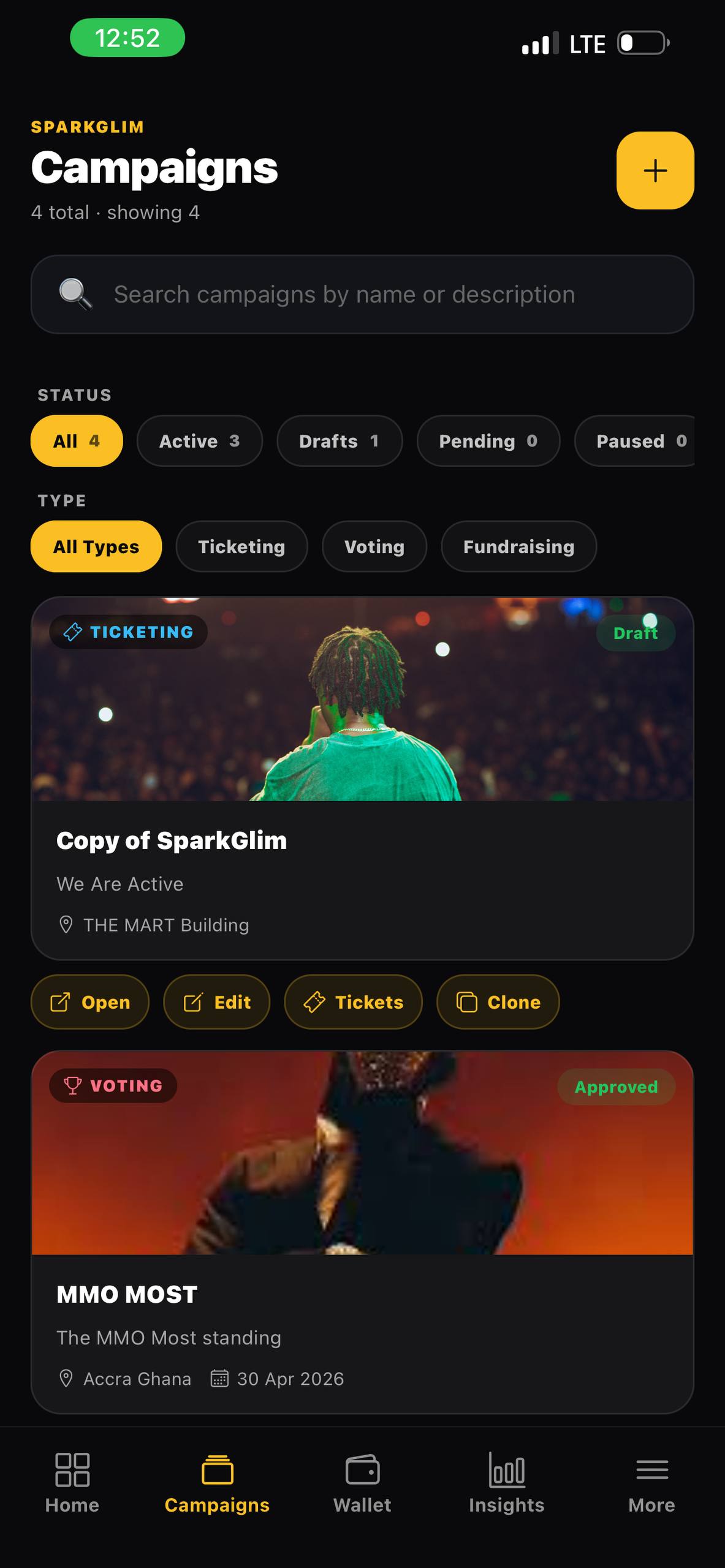
A practical delivery example
Consider an organization preparing one operations layer for ticketing, voting, and fundraising. The team begins with a controlled draft, confirms the campaign owner, and writes down the public rules. It then configures the relevant SparkGlim campaign, checks every date and amount, reviews media on a mobile screen, and completes a small end-to-end test. The test includes a normal participant journey, an incorrect entry, a delayed status, and a support request.
After the pilot, the team records what changed and why. Finance reviews transaction interpretation, operations confirms staffing, communications prepares launch and exception messages, and leadership approves the final public version. During the live period, the team watches complete status-aware metrics, logs unusual cases, and avoids making unannounced changes. The closeout reconciles records, resolves exceptions, communicates the outcome, and assigns improvements for the next campaign.
How to review performance without misleading the team
Start with the objective stated before launch. Compare the intended audience, time window, capacity or participation target, completed activity, pending or failed states, support demand, and final net financial context where applicable. A large gross figure can still hide unresolved transactions, while a high activity count can hide a confusing participant journey. Review the full picture.
Use the review to decide what happens next: continue, adjust, pause, close, or repeat. Every action needs an owner and a date. Preserve the evidence behind the decision, especially for public voting, fundraising, ticket capacity, refunds, attendee disputes, and organization-wide communications. This makes the next campaign faster because the team begins with tested knowledge instead of memory.
Frequently asked questions
What should be decided first for One Operations Layer for Ticketing, Voting, and Fundraising?
Define the outcome, public rules, accountable owner, participant journey, and review measure before configuring or promoting the campaign.
Can SparkGlim support the complete workflow?
SparkGlim connects campaign creation, public participation, transactions, analytics, creator tools, and related operations. Availability still depends on campaign type, country, approval, and configuration.
How should a team prepare for higher demand?
Use a controlled pilot, realistic end-to-end tests, named owners, documented exception paths, trained support staff, and status-aware monitoring.
What should happen after the campaign?
Reconcile records, resolve exceptions, communicate the verified outcome, document lessons, and assign improvements before the next launch.
Governance before configuration
Before configuring one operations layer for ticketing, voting, and fundraising, leadership should approve the purpose, operating boundary, public rules, and decision owners. The campaign team needs to know which changes it may make during delivery and which changes require finance, legal, safeguarding, or executive review. A short approval record is more useful than an informal understanding because it survives shift changes and staff absence.
Translate governance into the SparkGlim workflow. Limit access to the appropriate team, confirm who can edit public details, and decide who reviews service readiness. Keep sensitive records out of public descriptions and use support channels for private cases. When the campaign closes, preserve the decisions and evidence required for reconciliation or a later audit.
Design the participant journey end to end
Walk through one operations layer for ticketing, voting, and fundraising as a participant using a normal mobile device. Begin at discovery, check the campaign details, complete the intended action, and confirm that the result explains what happened. Then test realistic mistakes: an incorrect code, an unavailable option, a delayed status, a duplicate attempt, and a request for help. Each response should be clear and should not expose internal information.
The same journey must remain consistent across participant experience, public links, notifications, and the creator view. If teams use different language for the same status, participants lose confidence and support volume rises. Record approved wording and reuse it across channels.
Conclusion
The most reliable path is to define the outcome, test the complete journey, monitor status-aware records, and close the work with an accountable review. Use SparkGlim as the operating foundation, then keep ownership, participant care, and transparent communication at the center of every decision.
Plan your next campaign with SparkGlim and speak with the team about the configuration that matches your organization.
Article gallery
Frequently asked questions
What should be decided first for One Operations Layer for Ticketing, Voting, and Fundraising?
Define the outcome, public rules, accountable owner, participant journey, and review measure before configuring or promoting the campaign.
Can SparkGlim support the complete workflow?
SparkGlim connects campaign creation, public participation, transactions, analytics, creator tools, and related operations. Availability still depends on campaign type, country, approval, and configuration.
How should a team prepare for higher demand?
Use a controlled pilot, realistic end-to-end tests, named owners, documented exception paths, trained support staff, and status-aware monitoring.
What should happen after the campaign?
Reconcile records, resolve exceptions, communicate the verified outcome, document lessons, and assign improvements before the next launch.
Found this helpful?



Comments (0)