
Securing Leadership Approval and Defining Objectives
Organizing a church conference begins with a clear vision that aligns with your congregation’s mission. Before logistical planning commences, leadership approval is the most critical hurdle. You must prepare a formal proposal that outlines the purpose, projected attendance, and the spiritual or practical objectives of the event. This document should serve as a roadmap for the elders or board, detailing how the conference supports the growth of the community while providing clear accountability for expected outcomes.
Once approval is granted, define the scope of the event. In the Ghanaian context, community engagement is often high, so consider whether your conference will be a closed-door leadership retreat or a large-scale public gathering. Determining the scope early ensures that you can establish the right budget, venue, and communication strategy, allowing for a structured approach as you begin exploring tools like SparkGlim events to manage your project milestones.

Curating a Compelling Program and Schedule
A successful program balances deep spiritual teaching with practical application and community interaction. Begin by identifying your keynote speakers and facilitators well in advance. For larger events, incorporate break-out sessions that cater to different demographics within your church, such as youth, married couples, or ministry leaders. A well-structured program also includes periods for worship, networking, and fellowship, which are essential for fostering a sense of community.
When scheduling, account for local cultural preferences and travel logistics. If attendees are coming from different parts of the city or neighboring regions, start times should reflect realistic transit conditions. Ensure that every transition in your program is timed to keep energy levels high, and provide participants with a clear digital copy of the agenda, which can be shared via the platform dashboards you manage.
Effective Registration and Ticketing Strategies
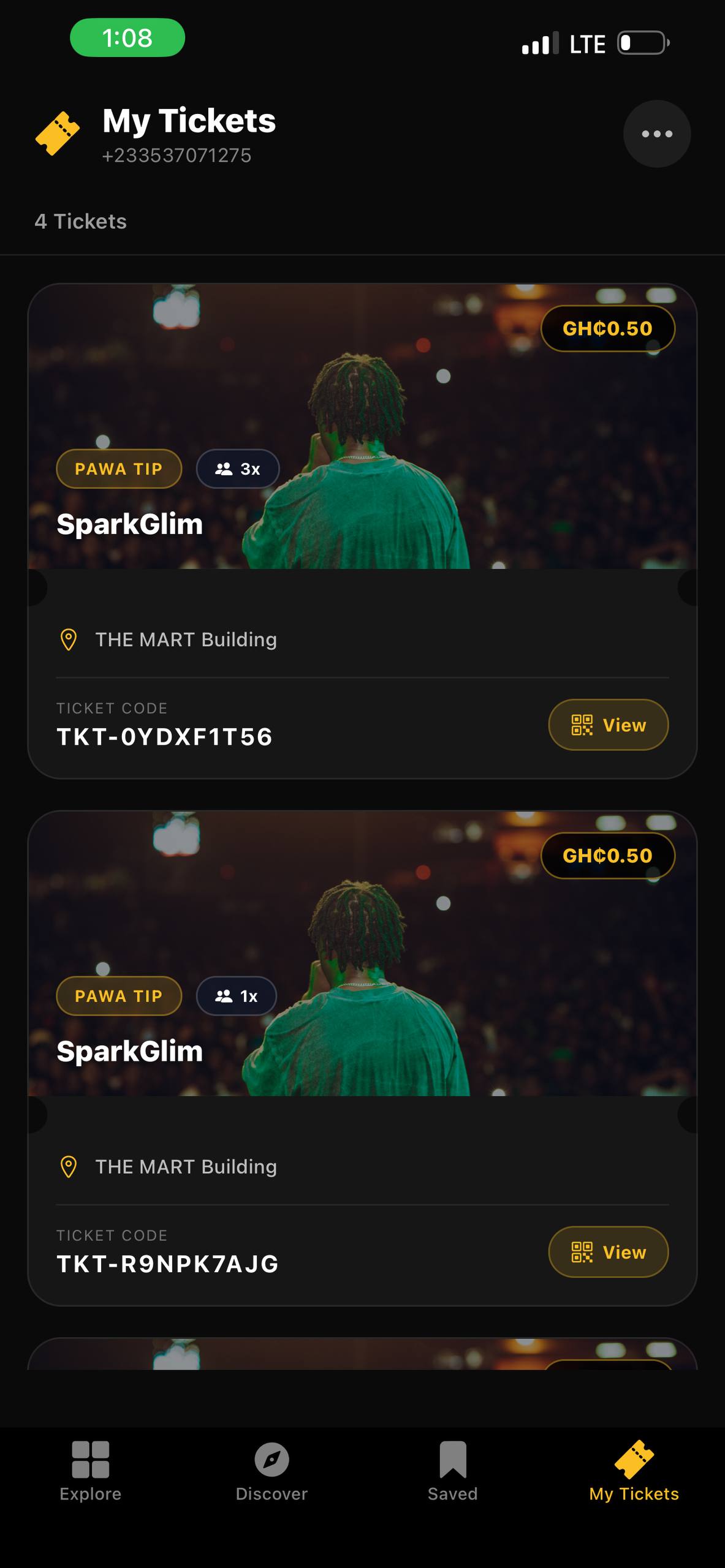
Gone are the days of manual registration lists and paper coupons, which are prone to errors and security risks. Modern church conferences benefit significantly from digital systems that manage ticket sales and participant data. By leveraging tools found at SparkGlim registration, you can ensure that your ticket tiers—whether they are free, paid, or early-bird—are processed securely. This digital approach allows for real-time tracking of sign-ups, helping you make informed decisions about catering and seating arrangements.
It is important to provide payment flexibility, especially in markets where mobile money is the primary financial tool. Integrated backend systems allow for the processing of various payment channels, ensuring that your registrants can secure their spots without friction. This approach also generates the data necessary for professional communication, such as sending automated event updates to confirmed participants, which adds a layer of professionalism to your organization.
Managing Fundraising and Financial Stewardship
For many churches, conferences are not just spiritual events but also opportunities to raise funds for ministry expansion or community outreach. Transparent fundraising is paramount. By using SparkGlim fundraising tools, you can set specific financial goals and share progress with your congregation in real-time, which encourages transparency and trust. Ensure that all fundraising campaigns have a clear purpose, so donors understand exactly how their contributions are being utilized.
Finance records must be maintained with rigor. Every transaction—from ticket sales to voluntary donations—should be recorded automatically within your management dashboard. Regular reconciliation of these records prevents errors and ensures that the church remains compliant with any local financial reporting standards. This diligent approach to financial stewardship reflects the integrity of the church leadership and encourages ongoing support from the membership.
Accessibility and Inclusivity in Planning
A church conference is a ministry of hospitality. Making your event accessible means considering the needs of the elderly, persons with disabilities, and families with young children. This involves choosing a venue that is physically accessible and providing clear, timely information about the event layout. Ensure that your communication platforms convey these accessibility features so that all potential attendees feel welcome to participate.
Consider language and sensory needs as well. If your congregation is diverse, provide interpretation services if required. Small gestures, such as designating priority seating or having clear signage, significantly improve the experience for guests. Inclusivity also extends to digital accessibility; ensure your registration pages are mobile-friendly, allowing those who may not have desktop access to register easily from their mobile devices.
Coordinating Volunteer Teams and Roles
Volunteers are the backbone of any church conference. To manage them effectively, define specific roles such as ushers, registration desk staff, security, and technical support. Create a central repository for volunteer contact details and availability. Having a clear chain of command within your volunteer corps prevents confusion during the heat of the event and ensures that if an issue arises, it is addressed immediately by the person responsible for that sector.
Training is non-negotiable. Even for volunteers who have served in similar roles before, a pre-conference briefing is essential. Review the specific objectives for the day, go over the check-in process, and establish a communication protocol. Whether using WhatsApp groups or walkie-talkies for on-site coordination, having a reliable way to communicate keeps the entire team synchronized throughout the event duration.
Check-in Protocols and Safeguarding
The check-in process is the first impression attendees have of your conference. Streamlining this is vital; utilize QR code verification to scan tickets, which allows for instant validation and significantly reduces wait times. This digital check-in serves a dual purpose: it manages the flow of people and provides you with accurate attendance data, which is useful for post-event evaluations and future planning.
Safeguarding is equally important. Ensure that you have adequate security personnel, particularly for large crowds. This includes managing entry points, monitoring sensitive areas, and having a clear plan for emergency medical situations. In the context of church events, safeguarding also implies protecting the data of your attendees. Use trusted, integrated platforms that prioritize data privacy, ensuring that personal contact information collected during registration remains secure and is handled according to the highest professional standards.
Communications, Follow-up, and Analytics
Communication should be proactive, not reactive. From the moment someone registers, send them confirmation emails, updates on speakers, and helpful tips for their arrival. Post-event follow-up is where you cement the impact of the conference. Use the data collected through your analytics dashboard to send personalized thank-you messages, share resources or audio recordings from the sessions, and gather feedback through simple surveys.
Analytics provide the insight needed to iterate for your next event. Review metrics such as registration conversion rates, attendance figures versus sign-ups, and donation trends. By understanding what worked and what didn't, you can continuously improve your operational efficiency. Concluding with a clear feedback loop ensures that every conference builds upon the success of the last, fostering long-term growth and community engagement.
Conclusion
Organizing a church conference is a demanding yet rewarding task that requires a blend of spiritual vision and operational precision. By focusing on structured leadership approvals, efficient digital registration, transparent financial recording, and proactive communication, you create an environment where the message of the church can flourish without the distraction of logistical failures. Leverage the integrated tools provided by the SparkGlim platform to maintain a professional, reliable, and secure environment for your attendees. As you prepare for your next gathering, remember that success is found in the details—from the first ticket sold to the final follow-up email. Start your planning today at SparkGlim events to see how we can support your ministry's vision.
Article gallery
Frequently asked questions
What is the first step in organizing a church conference?
The first step is securing formal approval from your church leadership by presenting a clear proposal that includes the event objectives, projected attendance, and budget.
How can SparkGlim help with conference registration?
SparkGlim provides a secure platform to manage ticketing and registration, offering features like QR code validation for fast, reliable check-in and automated attendee notifications.
Are SparkGlim financial and fundraising tools secure?
Yes, SparkGlim provides backend-routed payments and integrated fundraising tools designed to handle transactions securely while maintaining transparent records for your organization.
How does SparkGlim manage high-traffic events?
SparkGlim has demonstrated performance under controlled load tests exceeding 500,000 requests per minute. Note that actual production performance can vary based on your specific environment and configuration.
Found this helpful?


Comments (0)