
Mastering USSD Voting Workflows for Modern Campaigns
Digital voting has transformed how campus bodies, community organizations, and event organizers manage contests, award shows, and elections. By leveraging the SparkGlim USSD infrastructure, organizers can bridge the gap between offline participants and high-stakes digital competition. Unlike web-based interfaces, which require data connectivity, USSD ensures that anyone with a standard mobile device can participate, significantly increasing accessibility in regions like Ghana where mobile money and basic cellular connectivity are the primary engines of digital interaction.
The efficacy of a voting campaign rests on the reliability of the underlying backend. When an organizer configures a campaign through their dashboard, the platform creates a bridge between the shared USSD extension and the specific nominee database. Participants navigate a series of prompts to identify their preferred candidate, specify the quantity of votes, and trigger a payment request. This process must be seamless to ensure high conversion rates; a complicated menu structure often leads to drop-offs. By adhering to the standardized SparkGlim workflow, organizers ensure that every transaction is validated, recorded, and reconciled against the total vote count before the nominee's leaderboard is updated.

Step-by-Step Nominee Interaction and Vote Quantity
The user experience begins when a voter dials the campaign-specific USSD shortcode. From this point, the system guides them through a structured menu. Understanding how to manage these inputs is vital for campaign integrity.
The Nominee Code Selection Process
Each nominee is assigned a unique code during the SparkGlim registration phase. Participants are required to input this specific code to ensure their votes are directed to the correct candidate. It is a best practice to keep these codes short—typically 2 to 4 digits—to minimize user error. The SparkGlim backend validates each entry in real-time; if a user enters an invalid or expired code, the session is prompted to correct the entry, preventing lost or misdirected votes.
Defining Vote Quantity and Calculation
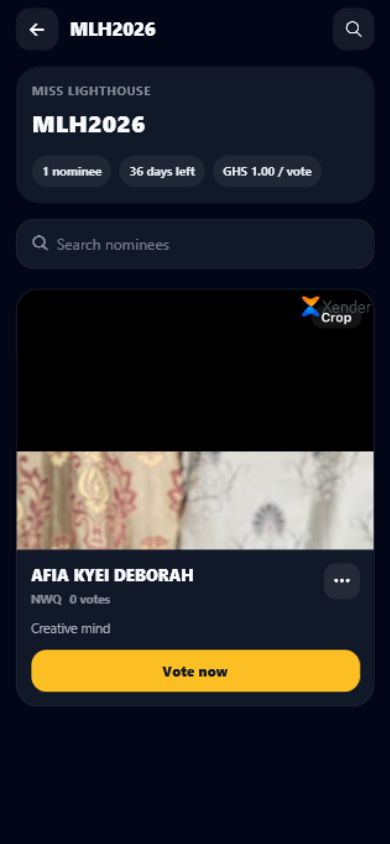
Once a nominee is selected, the system prompts the user to specify the quantity of votes they wish to cast. It is crucial to distinguish between a single transaction and the total vote count. A single mobile money or USSD payment transaction may represent multiple votes depending on the pricing structure defined by the organizer. For example, if one vote costs GHS 1.00, and a user initiates a transaction for 10 votes, the system calculates a total amount of GHS 10.00. The backend confirms the successful payment of this amount before writing the vote quantity to the database. This ensures that the leaderboard reflects the actual number of votes purchased, rather than the raw number of successful payment transactions.
Backend Verification and Campaign Monitoring
Security and reconciliation are the cornerstones of a credible voting platform. SparkGlim utilizes a server-side verification loop that acts as a gatekeeper for all incoming traffic.
Payment Verification Protocols
The platform does not rely on local device reports to record votes. Instead, the SparkGlim backend maintains a persistent connection with payment service providers. When a user requests a vote, a payment trigger is sent to their mobile wallet. The system only authorizes the increment of a nominee’s vote count once a 'Success' status is returned from the provider. This prevents issues such as 'incomplete transactions' from inflating the totals on the public leaderboard. This architecture provides the transparency needed to handle disputes during high-pressure contests.
Monitoring and Campaign Rules
Organizers have access to a suite of analytics tools that allow them to monitor voting velocity. If a campaign requires strict rules—such as a maximum number of votes per mobile number or specific timing windows for voting—these can be configured within the SparkGlim environment. Automated notifications ensure that organizers are alerted to abnormal voting spikes, which could indicate technical errors or the need for deeper oversight. Consistent monitoring is essential for maintaining trust among the nominees and their supporters.
Optimizing Your Campaign for Success
To maximize participation, your digital voting campaign should be marketed with clear, concise instructions. Potential voters need to know the shortcode, the nominee's code, and the cost per vote. Avoid making the menu too deep; users are more likely to complete the process if they can finalize their vote in three steps or less. Ensure that your marketing materials match the codes configured in the SparkGlim system exactly, as even a minor discrepancy can lead to frustration.
Furthermore, ensure that your campaign settings are calibrated to the reality of your audience's habits. For larger events in Ghana, ensure that your supported payment channels (mobile money vs. bank transfers) align with the dominant user behaviors in your specific demographic. By prioritizing clear communication and leveraging the robust automation of the SparkGlim backend, you create a professional environment that allows nominees to compete fairly based on their actual support levels.
Checklist for Launching Your USSD Campaign
- Verify that your campaign settings have been fully approved in the SparkGlim portal.
- Cross-reference all nominee codes against the published campaign marketing materials.
- Perform a live transaction test to ensure the payment callback successfully triggers the vote count update.
- Set up your dashboard notifications to receive alerts regarding campaign progress and potential anomalies.
- Review the campaign rules and confirm they are clearly communicated to all participants.
Conclusion
Deploying a USSD voting system requires careful coordination between technical configuration and clear campaign rules. By utilizing the SparkGlim platform, you ensure that your process is backed by secure payment verification, accurate tallying, and reliable infrastructure. Remember that the integrity of your contest depends on the transparency of your backend reporting; focus on ensuring that vote quantities are calculated accurately based on successfully verified payments. As you prepare for your next campaign, evaluate your needs, consult the SparkGlim documentation, and leverage our tools to deliver a seamless experience for your community.
Frequently Asked Questions
Q: How does SparkGlim ensure that votes are accurately counted?
A: Votes are only counted after the SparkGlim backend receives a verified success notification from the payment provider, ensuring that only paid-for votes are recorded in the system.
Q: Can I change a nominee's code during an active campaign?
A: While possible, we strongly discourage changing codes once the campaign has launched to prevent confusion among voters and potential errors in vote assignment.
Q: Does the system record transaction counts or vote quantities?
A: The system records the specific vote quantities purchased. The leaderboard reflects the total number of votes attributed to a nominee, not the number of individual payment transactions.
Q: Are USSD voting channels available in all regions?
A: USSD availability depends on your specific campaign configuration and the telecom network support within the target country. Always verify your specific routing requirements in your SparkGlim dashboard.
Ready to launch your own professional campaign? Register on SparkGlim today to get started.
Article gallery
Frequently asked questions
How does SparkGlim ensure that votes are accurately counted?
Votes are only counted after the SparkGlim backend receives a verified success notification from the payment provider, ensuring that only paid-for votes are recorded in the system.
Can I change a nominee's code during an active campaign?
While possible, we strongly discourage changing codes once the campaign has launched to prevent confusion among voters and potential errors in vote assignment.
Does the system record transaction counts or vote quantities?
The system records the specific vote quantities purchased. The leaderboard reflects the total number of votes attributed to a nominee, not the number of individual payment transactions.
Are USSD voting channels available in all regions?
USSD availability depends on your specific campaign configuration and the telecom network support within the target country. Always verify your specific routing requirements in your SparkGlim dashboard.
Found this helpful?



Comments (0)