
Unstructured Supplementary Service Data (USSD) remains one of the most reliable channels for mobile-first engagement in markets like Ghana, providing a text-based interface that operates without requiring data connectivity or modern smartphone hardware. For organizations hosting events, managing fundraising campaigns, or conducting digital voting, the ability to translate a user's menu selection into a processed financial transaction is a critical operational bridge. SparkGlim serves as the central backend orchestrator, abstracting the complexity of telecom signaling to ensure that when a user dials your shortcode, their request is routed, verified, and reconciled within the same platform that hosts your campaign data.
Understanding how these flows operate is essential for maintaining a professional standard of service delivery. By routing USSD interactions through the SparkGlim backend, organizations can unify their digital presence. Whether you are managing ticket sales or accepting donations, the backend handles the mapping of specific menu options to payment triggers. This ensures that every interaction is logged against the correct campaign, providing the transparency needed to track participation rates in real-time. The following sections detail how this infrastructure functions to minimize friction for the end-user while maximizing operational control for the organizer.

The Architecture of USSD Payment Routing
At its core, a USSD payment interaction begins the moment a user initiates a connection. The SparkGlim backend maintains a set of pre-configured routing instructions that match the user’s shortcode and menu selections to a specific financial endpoint. This is not merely a redirection; it is an active session state managed by our infrastructure. When a user selects a payment option within the USSD menu, the backend generates a payment reference that serves as a unique identifier for that specific transaction attempt.
This backend-first approach provides several distinct advantages for organizers:
- Consistency: By using SparkGlim to route all traffic, you ensure that the transaction flow is consistent across all mobile networks.
- Verification: The platform validates the request against existing campaign parameters, such as ticket availability or voting limits, before initiating the payment push.
- Channel Diversity: Depending on the configuration, the system can trigger mobile money prompts, bank-supported flows, or other provider-specific payment mechanisms without the user needing to navigate away from the USSD session.
Ensuring Transaction Integrity and Security
Maintaining security and trust is paramount when handling financial transactions via mobile channels. SparkGlim employs standardized security protocols to protect both the organization and the end-user. As outlined in our security overview, all transaction metadata is encrypted and handled exclusively by our backend systems. We do not store sensitive payment credentials on the client device, nor do we expose raw provider signaling to the organizer, which limits the attack surface for potential intercept attempts.
Duplicate protection is another critical layer of the integration. The system automatically tags incoming requests with unique reference IDs. If a network delay causes a user to receive a prompt twice, the backend logic is designed to ignore subsequent identical requests if a transaction is already in progress. This prevents double-billing and ensures that every interaction correlates to a single verifiable action in your campaign analytics.
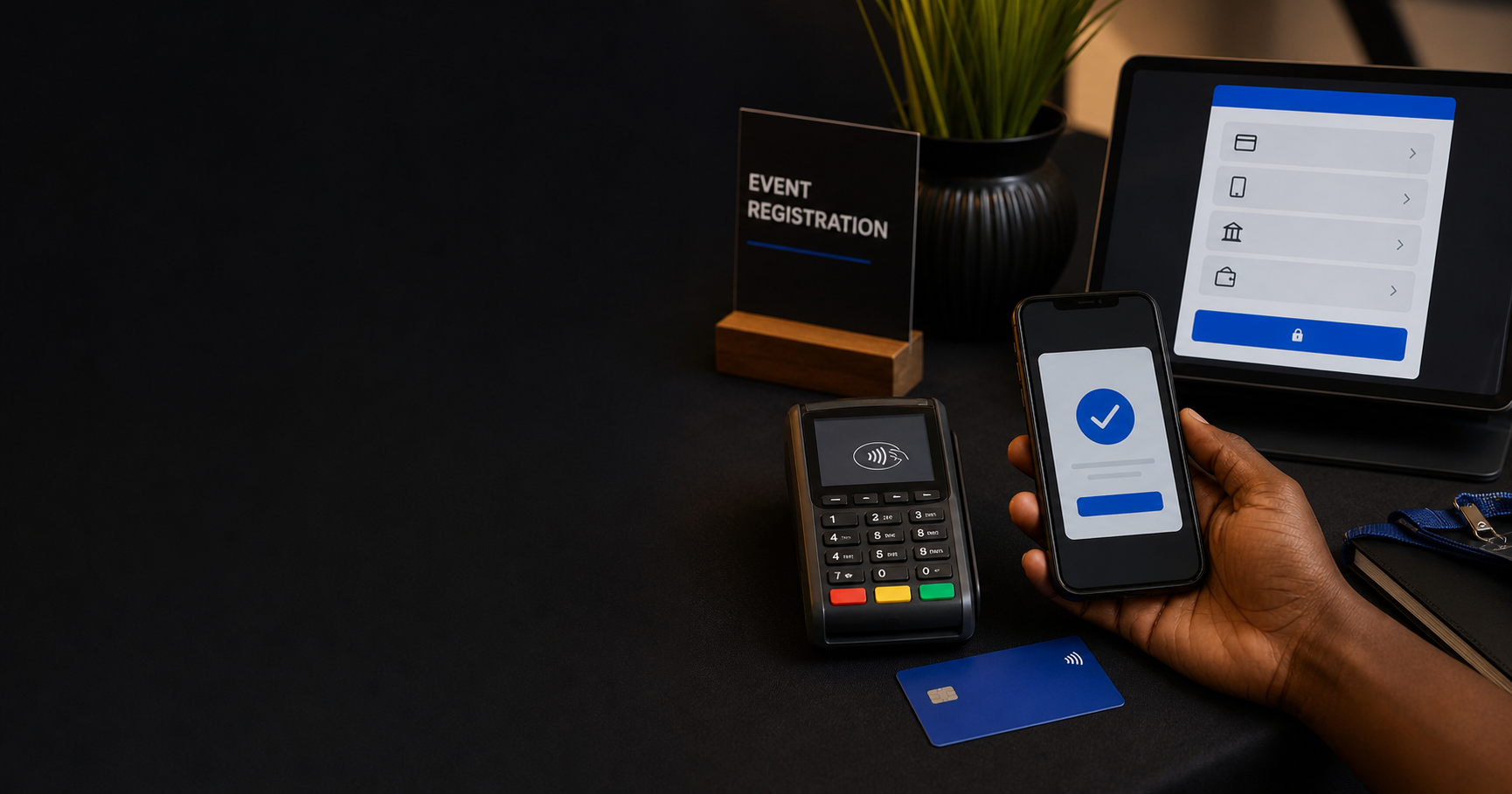
Managing Status, Receipts, and Reconciliation
Once a payment request is initiated, the system enters a wait state, monitoring for the outcome provided by the relevant payment gateway. The status handling is performed asynchronously; once the outcome is received, the SparkGlim platform updates the transaction status in the organizer's creator dashboard. This includes successful completions, failures due to insufficient funds, or timeouts caused by network congestion.
For the organization, this creates a clear path for reconciliation:
- Real-time Dashboard Updates: View successful payments immediately upon completion.
- Automated Notifications: If configured, users receive immediate SMS or platform confirmation once their payment is verified.
- Consolidated Reporting: Access a single report that blends USSD-based revenue with web-based transactions, allowing you to monitor total campaign performance in one view.
Operational Checklist for USSD Campaigns
Before launching your shortcode, verify these components to ensure a smooth transition from configuration to live deployment:
- Ensure all campaign price points are defined in the SparkGlim dashboard.
- Check that your organization's USSD routing configuration is active.
- Confirm that your landing page or promotional material accurately reflects the USSD shortcode.
- Conduct a test transaction to verify that the confirmation loop works as expected.
Handling User Errors and Session Timeouts
One of the realities of USSD interactions is the susceptibility to session timeouts caused by poor signal quality. When a user experiences a drop in connection during the payment flow, SparkGlim’s backend gracefully handles the session closure. If a payment was successfully initiated but the user was disconnected, the system retains the transaction record as 'Pending Verification.' Upon reconnection or subsequent access to the shortcode, the platform can attempt to re-sync the state with the provider to see if the payment completed, ensuring that users are not left guessing whether their transaction was successful.
By centralizing this logic, we remove the burden from the organizer to manually chase down 'lost' transactions. Instead, you can rely on the automated sync mechanisms that query the status periodically, providing a more robust experience for your participants and reducing the volume of support tickets your team has to handle.
Conclusion and Next Steps
Integrating USSD payments into your organizational toolkit provides a direct line to your audience, ensuring that participation is limited only by mobile signal strength, not by complex technology barriers. By leveraging SparkGlim as your backend authority, you ensure that every transaction is tracked, verified, and reconciled with precision. Whether you are managing high-volume ticketing or long-tail fundraising, our platform is designed to scale with your needs while maintaining a high standard of security and reliability.
For more information on how to configure your specific campaign requirements or to discuss approved custom USSD routing options, please visit our USSD services page or reach out to our team directly via the SparkGlim contact portal.
Frequently Asked Questions
- How does SparkGlim ensure that payments are correctly associated with my campaign?
- Every USSD interaction is assigned a unique reference ID linked to your specific campaign ID in the SparkGlim backend, ensuring that funds are reconciled with the correct event or project.
- Can I use my own USSD shortcode with the SparkGlim platform?
- Yes, SparkGlim supports approved custom USSD routing. You should discuss your specific requirements with our team to ensure the integration meets all technical and provider compliance standards.
- What happens if a user’s network fails during a USSD payment process?
- The SparkGlim backend maintains a session state and monitors transaction outcomes asynchronously. If a payment is finalized by the provider, the transaction will be reconciled, and the user's status updated appropriately upon their next interaction.
- Does SparkGlim require me to manage separate payment providers?
- No, SparkGlim acts as the primary platform and handles the backend orchestration of payments, including mobile money and bank flows, through our managed infrastructure.
Ready to get started? Visit https://sparkglim.net/ussd to learn more about our USSD capabilities.
Article gallery
Frequently asked questions
How does SparkGlim ensure that payments are correctly associated with my campaign?
Every USSD interaction is assigned a unique reference ID linked to your specific campaign ID in the SparkGlim backend, ensuring that funds are reconciled with the correct event or project.
Can I use my own USSD shortcode with the SparkGlim platform?
Yes, SparkGlim supports approved custom USSD routing. You should discuss your specific requirements with our team to ensure the integration meets all technical and provider compliance standards.
What happens if a user’s network fails during a USSD payment process?
The SparkGlim backend maintains a session state and monitors transaction outcomes asynchronously. If a payment is finalized by the provider, the transaction will be reconciled, and the user's status updated appropriately upon their next interaction.
Does SparkGlim require me to manage separate payment providers?
No, SparkGlim acts as the primary platform and handles the backend orchestration of payments, including mobile money and bank flows, through our managed infrastructure.
Found this helpful?



Comments (0)