
Navigating the Landscape of Digital Voting Solutions
Choosing a digital voting platform for your event, campus election, or community award show is a decision that impacts user trust and operational efficiency. In markets like Ghana, where mobile penetration is high but access to stable internet varies, the ability to balance web-based interfaces with offline accessibility via USSD is a critical requirement. Organizers often overlook the complexities of real-time data synchronization between these channels, leading to fragmented results that can undermine the credibility of a competition. A professional voting platform must serve as a central point of truth for both organizers and voters, ensuring that every submission is recorded, verified, and accounted for in real-time.
When evaluating providers, the primary objective is to define your specific needs regarding scale, budget, and audience accessibility. High-traffic events, such as national award ceremonies or large-scale university elections, require robust back-end infrastructure that can handle spikes in concurrent votes. SparkGlim, for instance, provides a unified environment where voting, fundraising, and ticketing are managed through a centralized dashboard. In recent internal testing, the SparkGlim infrastructure has demonstrated performance under load-test conditions reaching 500,000 requests per minute. While such metrics reflect the capability of the underlying platform to manage significant bursts of activity, it is vital to remember that performance in live environments varies based on configuration, network stability, and regional connectivity. Always prioritize systems that offer transparency, granular reporting, and a clear path for resolving disputes when selecting your technology partner.

Essential Evaluation Criteria for Voting Systems
Before committing to a platform, you must establish an evaluation framework. Not all voting tools are created equal, and the discrepancy between a basic polling app and a professional-grade voting system is vast. Below are the key pillars to consider for your organization.
Paid vs. Free Voting Models
Many organizations launch free campaigns to encourage broad participation. However, free voting can be vulnerable to bot manipulation and spamming. Paid voting models, often utilizing mobile money or card payments, introduce a layer of verification that correlates voting activity with financial transactions. When assessing a platform, look for how they handle both models. Does the platform allow for a hybrid approach? At SparkGlim digital voting, the integration of payment gateways ensures that votes are tied to successful transactions, providing a clear audit trail.
Nominee Quantities and Categorization
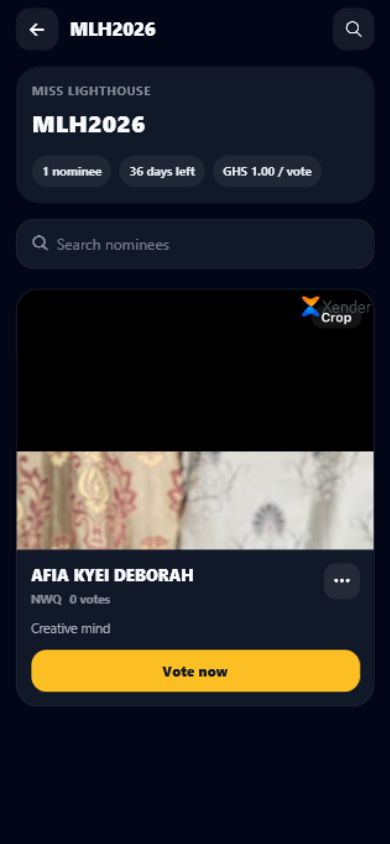
An effective system must allow for dynamic management of nominees. You should be able to create categories, edit nominee profiles, upload media, and adjust status without needing technical intervention. Ask the following questions: Can I bulk upload nominees? Can I hide or show specific categories during different stages of the contest? Are there limits to the number of participants I can host?
Transaction Verification and USSD Integration
In regions where USSD is a standard for commerce, your voting platform must support this channel. Relying solely on a web link ignores a significant portion of your demographic. Verify whether the provider offers shared USSD extensions or, better yet, can facilitate approved custom USSD routing. When a vote is cast via USSD, the backend must instantly communicate the success of that transaction to the database, ensuring the user receives a confirmation notification. This eliminates the uncertainty that often leads to support tickets and customer complaints.
Reporting, Organizer Access, and Data Boundaries
Your ability to react to contest dynamics depends on the depth of the data provided. A static report exported once a day is insufficient for high-stakes events. You need an active organizer dashboard that displays:
- Total votes per nominee in real-time
- Geographic or channel-specific breakdowns (Web vs. USSD)
- Revenue generated per voting channel
- Successful versus failed transaction logs
Public Presentation and Dispute Handling
How the voting results appear to the public is just as important as how they are collected. A professional platform provides options for public leaderboards that update automatically. This adds a layer of gamification that encourages more voting. However, you must also be able to toggle the visibility of the results. During certain voting phases, you may want to hide the leaders to prevent voter apathy or manipulation. When it comes to disputes, the platform should have an established support mechanism. Avoid "black box" systems where you cannot contact a human to resolve technical issues during your event.
The Role of Infrastructure and Scalability
It is tempting to choose the cheapest or most basic solution, but reliability is a cost-effective strategy in the long run. When an event goes viral, or when a final voting window creates a surge in traffic, the platform's architecture determines the success or failure of the initiative. SparkGlim's infrastructure is built to support a variety of needs, from small community polls to large-scale national activations. Because SparkGlim manages the backend routing for both web and USSD payments, it removes the need for organizers to juggle multiple service providers. This centralized approach simplifies everything from DNS management to payment reconciliation.
Checklist for Platform Selection
Use this list to score potential platforms before you sign any agreements:
- Omnichannel Support: Does it support both web and USSD without requiring custom coding from me?
- Financial Integrity: Does the platform provide a clear log of every successful transaction alongside the vote count?
- Real-time Reporting: Can I access an analytical dashboard that updates as votes are cast?
- Customization: Can I use my own domain name or subdomains to build brand trust?
- Support Access: Is there a clear channel to contact technical staff if a transaction fails?
- Capacity: Does the platform provider show evidence of handling high-traffic events?
Conclusion: Choosing the Right Partner for Your Vision
The best digital voting platform is one that aligns with your specific operational requirements. Whether you are running a student election, a music awards program, or a corporate contest, the emphasis should always be on reliability, transparency, and accessibility. Do not sacrifice security for lower costs, and always ensure your provider can scale with your ambitions. Features and terms across all digital platforms are subject to change, so verify the current capabilities of any service before initiating a campaign. By focusing on these core evaluation criteria, you can choose a solution that protects your integrity, engages your audience, and delivers accurate, timely results. For organizations in Ghana and beyond, integrating robust tools that handle payment reconciliation and multi-channel voting is the standard for modern, professional events. We encourage you to evaluate our tools alongside your specific project needs to see how our unified architecture can simplify your event management.
Article gallery
Frequently asked questions
What is the primary benefit of using a unified voting platform like SparkGlim?
A unified platform centralizes voting, ticketing, and fundraising in one dashboard, ensuring real-time synchronization across web and USSD channels.
How does USSD voting improve participation for my organization?
USSD voting allows users to participate without requiring data or a smartphone, significantly increasing reach in regions with varying internet connectivity.
Can I hide real-time voting results from the public during an event?
Yes, a professional platform should allow organizers to toggle the visibility of results to maintain the competitive spirit and prevent potential voter apathy.
How should I handle disputes if a voter claims their vote was not counted?
Use the platform's backend dashboard to audit specific transaction IDs, timestamps, and payment statuses to confirm the validity of the vote in question.
Found this helpful?


Comments (0)