
Securing an online voting campaign requires more than just a digital interface; it demands a robust infrastructure that balances accessibility with stringent integrity controls. Whether you are organizing a national beauty pageant, a professional association election, or a local community award in Ghana, the legitimacy of your outcome rests on the confidence of your participants. Fraud in digital voting rarely stems from a single vulnerability but rather from gaps in how transactions are verified, tracked, and monitored. By implementing a layered approach, organizers can mitigate risks while maintaining a seamless experience for voters using mobile money or card payments.
At the core of a secure campaign is the understanding that no system is immune to determined bad actors; rather, your goal is to make the cost and complexity of manipulation prohibitively high. SparkGlim provides the necessary tools for this by centralizing your voting, payment, and analytics processes within a unified backend. When you leverage integrated systems, you reduce the surface area for tampering and ensure that every vote is tied to a verifiable transaction or unique participant identifier. This article explores the specific controls and operational habits you should adopt to safeguard your next digital campaign.
Building a Layered Security Foundation
Security is most effective when it is implemented in depth. Instead of relying on a single gatekeeper, integrate multiple verification checkpoints throughout the user journey. The primary goal is to ensure that every vote cast is authorized and that the quantity of votes per user remains within the boundaries defined by your campaign policy.
1. Transaction Verification and Vote Quantities
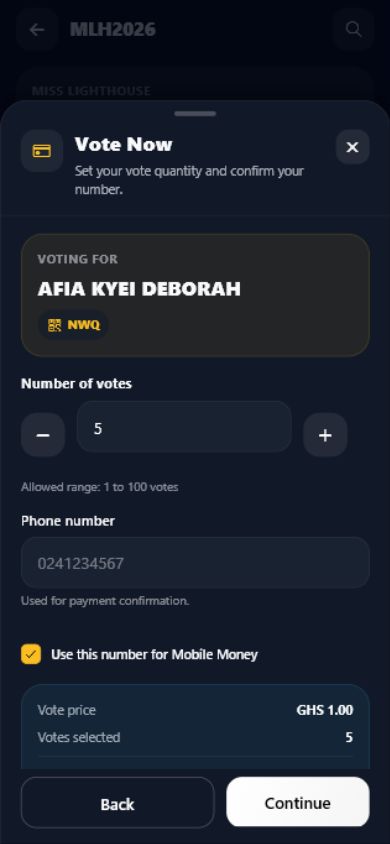
Never treat a vote as a standalone action if it involves a payment or a controlled resource. By using SparkGlim’s digital voting framework, you ensure that the transaction ID is inextricably linked to the vote count. For organizers, this means that even if a user attempts to trigger multiple rapid-fire interactions, the system validates the payment confirmation before incrementing the tally. Setting clear limits on vote quantities—such as defining how many votes a single mobile money account can purchase—prevents mass-buy attacks that could skew results.
2. Managing Duplicates and User Behavior
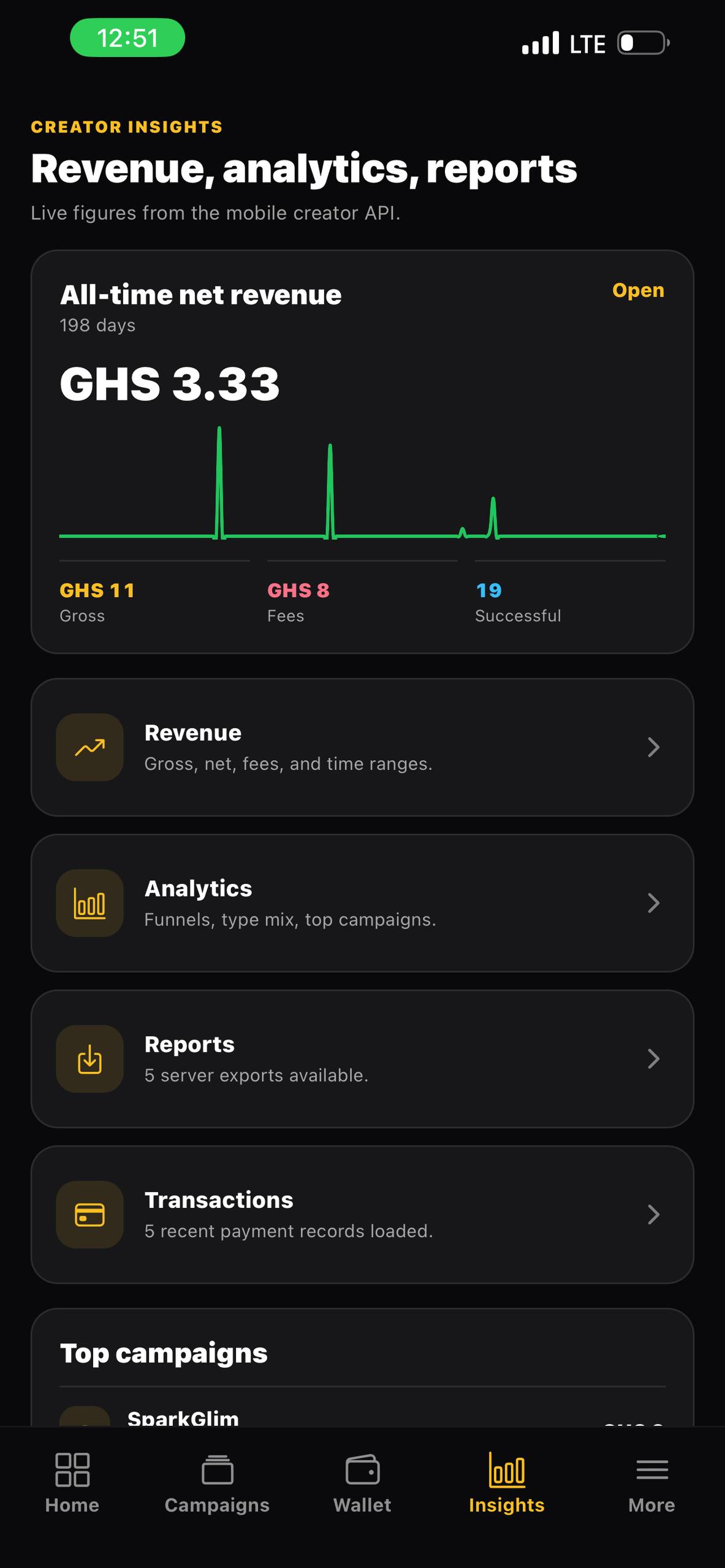
Duplicate handling is the first line of defense against bot activity. Implement rules that identify anomalous behavior patterns, such as an unusual volume of votes originating from a single IP address or the repeated use of disconnected payment identifiers. While a voter might want to support a candidate multiple times, the system must distinguish between legitimate repeated support and automated spam. Utilize internal dashboard tools to monitor these patterns in real-time, allowing your team to pause or flag suspicious accounts without disrupting the entire campaign flow.
Operational Discipline for Organizers
Technological defenses are only as strong as the policies behind them. Organizers often overlook the importance of transparency in discouraging fraudulent intent. When participants know exactly how their votes are protected, they are less likely to attempt or tolerate manipulation.
Access Boundaries and Team Permissions
Restrict access to the backend control panel. Your administrative team should be limited to specific roles—data entry, reporting, or payment verification—to prevent unauthorized changes to vote counts or election settings. Use the SparkGlim team access settings to assign granular permissions, ensuring that no single individual has the authority to alter critical vote tallies without an audit trail being generated.
Maintaining Audit Logs
Every administrative action should leave a footprint. If a vote is disqualified due to a payment failure or a policy breach, ensure the record is preserved in your analytics dashboard. Audit logs are essential for post-campaign reviews, especially in highly competitive environments. Being able to demonstrate that your campaign followed a consistent, verifiable process is your best protection against public skepticism.
Responding to Incidents
Even with strict controls, anomalies may occur. A professional organizer should have an incident response plan. If you detect a sudden, unexplained spike in votes, use your dashboard analytics to drill down into the source. Identify whether the increase is tied to a successful marketing campaign or a potential system abuse. Having a protocol—such as temporarily suspending a candidate or reviewing transaction batches—ensures that you act with calm authority rather than panic.
Conclusion: Transparency is Your Best Defense
Preventing vote fraud is an ongoing process of refinement. By utilizing SparkGlim’s managed infrastructure, you gain access to a platform designed with security at its core, enabling you to focus on managing your community rather than building complex backend defenses from scratch. Start by clearly defining your campaign rules, strictly enforcing payment-to-vote parity, and maintaining rigorous audit logs. While no digital system is perfect, these steps significantly strengthen your campaign's integrity, ensuring that the results you announce are trusted by your audience.
Frequently Asked Questions
- Question: Can I prevent users from creating multiple accounts to vote? Answer: While absolute prevention is difficult, you can limit voting by requiring verified payment methods like mobile money, which often have unique identifiers that can be restricted at the campaign level.
- Question: How do I handle suspected vote stuffing? Answer: Use the SparkGlim dashboard to identify high-frequency voting patterns, then verify these against payment transaction logs. If fraud is detected, flag the account and review it against your pre-defined campaign policy.
- Question: Are my election results guaranteed to be tamper-proof? Answer: No system is immune to every threat. SparkGlim provides industry-standard audit trails and controlled access to minimize risk, but organizers must combine these with strict operational policies.
- Question: Can I change voting rules midway through a campaign? Answer: It is highly discouraged. Changing rules mid-campaign erodes trust. If a change is necessary due to technical issues, announce it clearly and publicly to all participants.
Ready to launch your secure campaign? Explore our tools at SparkGlim Contact to get started with a platform designed for integrity and impact.
", "faq": [ { "question": "Can I prevent users from creating multiple accounts to vote?", "answer": "While absolute prevention is difficult, you can limit voting by requiring verified payment methods like mobile money, which often have unique identifiers that can be restricted at the campaign level." }, { "question": "How do I handle suspected vote stuffing?", "answer": "Use the SparkGlim dashboard to identify high-frequency voting patterns, then verify these against payment transaction logs. If fraud is detected, flag the account and review it against your pre-defined campaign policy." }, { "question": "Are my election results guaranteed to be tamper-proof?", "answer": "No system is immune to every threat. SparkGlim provides industry-standard audit trails and controlled access to minimize risk, but organizers must combine these with strict operational policies." }, { "question": "Can I change voting rules midway through a campaign?", "answer": "It is highly discouraged. Changing rules mid-campaign erodes trust. If a change is necessary due to technical issues, announce it clearly and publicly to all participants." } ] }Article gallery
Frequently asked questions
Can I prevent users from creating multiple accounts to vote?
While absolute prevention is difficult, you can limit voting by requiring verified payment methods like mobile money, which often have unique identifiers that can be restricted at the campaign level.
How do I handle suspected vote stuffing?
Use the SparkGlim dashboard to identify high-frequency voting patterns, then verify these against payment transaction logs. If fraud is detected, flag the account and review it against your pre-defined campaign policy.
Are my election results guaranteed to be tamper-proof?
No system is immune to every threat. SparkGlim provides industry-standard audit trails and controlled access to minimize risk, but organizers must combine these with strict operational policies.
Can I change voting rules midway through a campaign?
It is highly discouraged. Changing rules mid-campaign erodes trust. If a change is necessary due to technical issues, announce it clearly and publicly to all participants.
Found this helpful?


Comments (0)