
Award programs, campus elections, and community-driven contests serve as powerful tools for recognition and engagement. In Ghana and across emerging markets, transitioning these initiatives to online spaces has democratized participation, allowing diverse audiences to support their favorite nominees seamlessly. However, organizing a successful public vote requires more than just launching a digital poll; it demands a structured approach to transparency, secure data handling, and stakeholder communication to maintain credibility throughout the voting lifecycle.
When planning a digital voting campaign, event organizers must balance user accessibility with robust administration. Utilizing a specialized platform like SparkGlim's digital voting system enables organizers to leverage public campaign discovery, process secure transactions, and monitor vote quantities dynamically. To help you manage these complex dynamics, this guide outlines the foundational best practices for rule-setting, data accuracy, pricing transparency, and dispute resolution.
Establishing Clear and Unambiguous Voting Rules
The foundation of any successful voting campaign is a clear, accessible rulebook. Without explicit guidelines, organizers risk facing pushback from nominees and voters alike. Your official rules should explicitly state who is eligible to vote, when the voting period begins and ends, and whether there are any limits on the number of times a single user can vote. For instance, in university campus awards across Ghana, such as hall week celebrations or departmental honors, establishing these rules early ensures student body confidence.
Defining Eligibility and Voting Limits
Organizers must decide between free voting, paid voting, or a hybrid model. If you restrict voting to one vote per user, your system must utilize secure tracking methods to ensure fairness. Alternatively, many community programs employ paid voting where users purchase specific vote quantities. When using paid methods, clarify how these funds are distributed or utilized. Clearly communicate these rules on your official campaign page, social media handles, and via email notifications to all registered nominees.
Ensuring Inclusive Access and Accurate Nominee Data
Inclusive access means ensuring that your voting platform is fully optimized for mobile devices, as a significant portion of voters in emerging economies access the internet exclusively via smartphones. A system that loads slowly or features a confusing layout will discourage participation and lower engagement. Nominee profiles must also be free from errors, showcasing accurate names, category assignments, and high-quality profile photos.
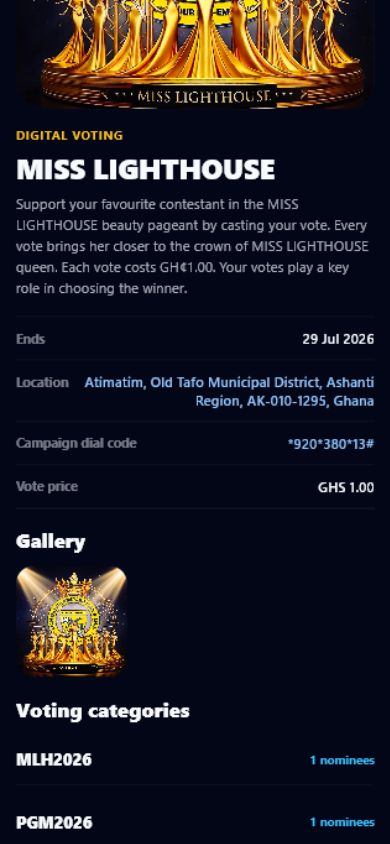
Before opening the public portal, run a thorough audit of your nominee database. Misspelled names or incorrect category placements can lead to immediate disputes and accusations of bias. Ensure that nominees have an easy way to verify their details before the campaign goes live, minimizing the need for mid-campaign corrections that could skew early voting patterns.
Transparent Pricing and Payment Configurations
If your campaign incorporates paid voting packages to support fundraising or cover event costs, transparency is paramount. Clearly display the cost per vote quantity and any associated transaction fees before the user completes their transaction. Hidden fees or sudden price changes will quickly damage public trust and can lead to abandoned checkouts.
SparkGlim allows organizers to configure customized voting packages, but it is important to remember that available payment methods and specific features vary by campaign, country, platform configuration, and administrative approval. Always check local regulations and platform capabilities before finalizing your payment structures, ensuring that local integrations like mobile money in Ghana are fully supported and ready for traffic.
Communications, Monitoring, and Real-Time Campaign Tracking
Communication should not stop once voting begins. Maintain regular touchpoints with nominees by providing them with updates, marketing assets, and advice on how to rally their communities. Equipping your participants with mobile creator tools and campaign analytics helps them monitor their performance and feel more connected to the program.
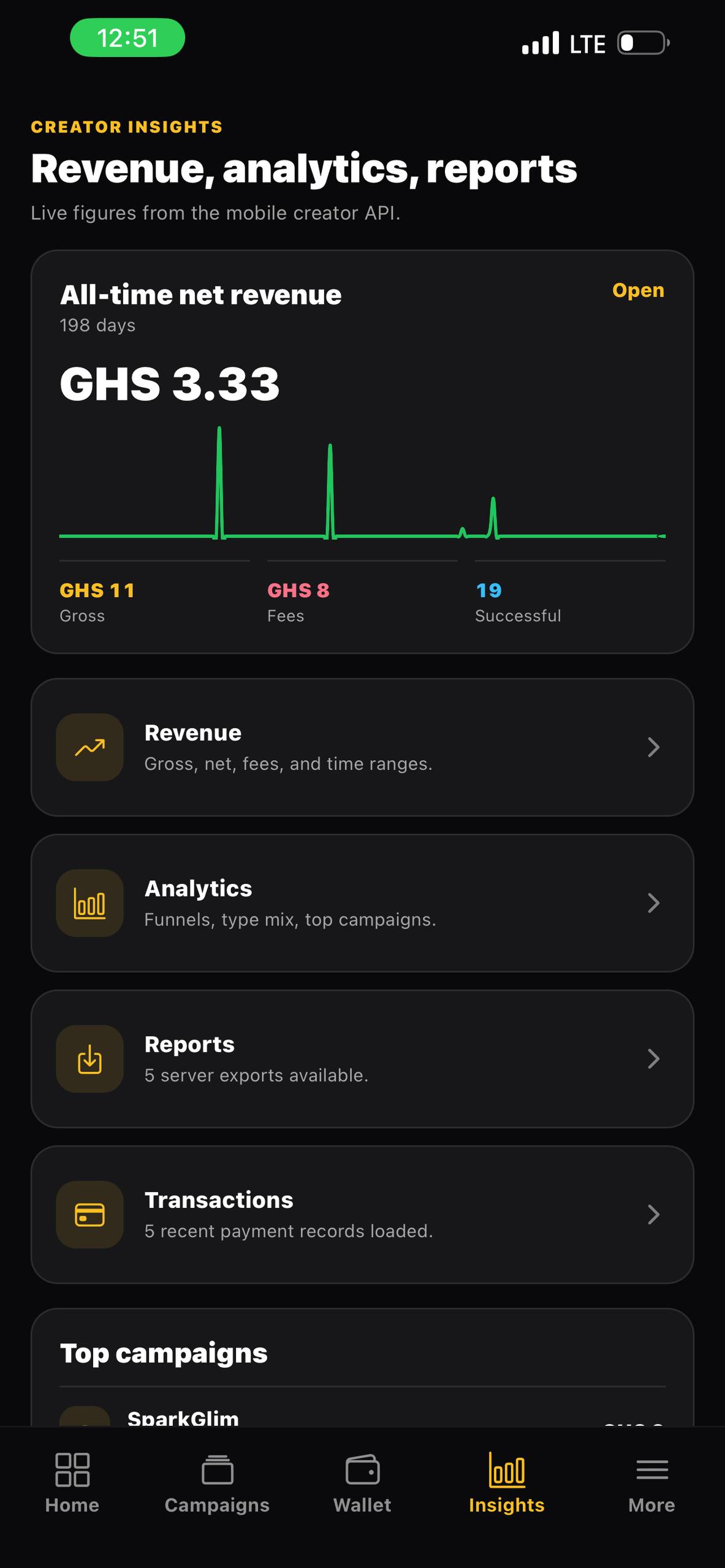
For organizers, continuous monitoring is critical to detecting unusual voting patterns early. Real-time dashboards provide immediate visibility into transaction volumes and vote distributions, allowing your team to act swiftly if any anomalies occur. While no digital platform can promise absolute, perfect security against coordinated efforts, vigilant monitoring remains your strongest defense.
Handling Disputes and Closing the Campaign
Even with the best preparations, disputes can occasionally arise. Having a documented dispute resolution protocol is essential for resolving conflicts professionally. If a nominee questions the legitimacy of a competitor's votes, rely on objective campaign analytics and transaction records to make a determination. Keep lines of communication open, encouraging concerned parties to contact your team directly.
Checklist for a Flawless Voting Closeout
An orderly campaign closeout reinforces trust and ensures that final winners are announced without controversy. Use the following checklist as your campaign nears its conclusion:
- Hard Deadline Enforcement: Ensure the system automatically halts all voting at the exact scheduled time to prevent late-entry disputes.
- Data Audit: Review all vote logs and transaction data to confirm final numbers before publicizing the results.
- Clear Communication: Notify winners, runners-up, and participants simultaneously, thanking everyone for their efforts.
- Post-Event Feedback: Gather insights from nominees and voters to improve your next community or campus program.
Frequently Asked Questions
How can organizers prevent duplicate voting in public award campaigns?
Organizers can prevent duplicate voting by configuring strict voting limits, requiring authenticated user sessions, or utilizing transaction-tied vote quantities where each vote requires a verified transaction.
What payment methods are supported for paid voting campaigns on SparkGlim?
Available payment methods vary by country, campaign configuration, and platform approvals. In markets like Ghana, popular mobile money networks and card payments can be enabled depending on the specific setup.
How should nominee disputes regarding vote counts be handled?
Nominee disputes should be resolved using transparent data logs and official campaign analytics. Organizers should outline clear dispute resolution policies before the campaign begins and refer to verifiable database records to address discrepancies.
Can campus groups use SparkGlim for student elections and community awards?
Yes, campus bodies, community organizations, and student groups can use SparkGlim for digital voting, public campaign discovery, and tracking engagement via mobile-friendly creator tools and dashboards.
Conclusion and Next Steps
Running a professional and transparent voting campaign is highly achievable when you combine clear, upfront rules with reliable digital tools. By prioritizing mobile-friendly accessibility, accurate nominee profiles, and clear pricing, you establish a fair environment that honors the hard work of your community’s creators. If you are ready to launch your next campus election, community award, or fundraising campaign, explore our knowledge base for more strategies, or contact our support team to discuss how we can help configure your campaign for success.
Article gallery
Frequently asked questions
How can organizers prevent duplicate voting in public award campaigns?
Organizers can prevent duplicate voting by configuring strict voting limits, requiring authenticated user sessions, or utilizing transaction-tied vote quantities where each vote requires a verified transaction.
What payment methods are supported for paid voting campaigns on SparkGlim?
Available payment methods vary by country, campaign configuration, and platform approvals. In markets like Ghana, popular mobile money networks and card payments can be enabled depending on the specific setup.
How should nominee disputes regarding vote counts be handled?
Nominee disputes should be resolved using transparent data logs and official campaign analytics. Organizers should outline clear dispute resolution policies before the campaign begins and refer to verifiable database records to address discrepancies.
Can campus groups use SparkGlim for student elections and community awards?
Yes, campus bodies, community organizations, and student groups can use SparkGlim for digital voting, public campaign discovery, and tracking engagement via mobile-friendly creator tools and team and dashboard.
Found this helpful?

Comments (0)