
The Core Challenge: Balancing Revenue and Reputational Trust
Organizers of campus festivals, corporate summits, and community gatherings often face the same dilemma: the need to drive urgent ticket sales without alienating their audience. In competitive digital environments across Accra, Kumasi, and wider regional hubs, buyers are increasingly wary of hidden transaction fees, artificial scarcity, and confusing payment flows. Establishing a sustainable, trust-based relationship with your community requires a ticketing strategy that respects the user while optimizing conversions.
Transparent ticketing does not mean sacrificing sales velocity. Instead, it aligns promotional momentum with real-world value, clear communication, and seamless checkout experiences. By structuring your ticket tiers intentionally, deploying honest countdown sequences, and leveraging reliable digital platforms, you can build a predictable sales pipeline. This guide explores the core principles of high-conversion, ethical ticketing, from early positioning to game-day QR verification.
Establishing Value Through Transparent Ticket Tiers
A successful sales campaign begins with a clear ticket structure. When prospective attendees visit an event page, they should immediately grasp what each ticket category includes and why the prices differ. Confusing tiers or overlapping benefits create cognitive load, which is one of the primary drivers of cart abandonment. Instead of offering dozens of complex options, focus on three distinct, well-defined categories.
1. Early Bird Tiers
Early bird options reward your most loyal supporters with a lower price point. To maintain trust, clearly state the exact number of early bird tickets available or the specific date when this pricing tier expires. Changing these rules mid-campaign without a valid reason damages credibility.
2. General Admission
This is your baseline ticket. It must represent fair value for the experience provided. Clearly outline standard inclusions, such as access to main stages, networking zones, or specific presentation materials.
3. Premium or VIP Tiers
Premium tickets must offer distinct, tangible benefits. Whether it is reserved seating, exclusive merchandise, or access to private Q&A sessions, ensure the premium markup is fully justified. When planning your budget and pricing strategy, you can review flexible structures on our pricing page to align your cost margins with attendee expectations.
Managing the Launch Sequence with Ethical Urgency
Urgency is a powerful marketing tool, but when misused, it erodes trust. Artificial countdown timers that reset every time a user refreshes the page, or false claims of extremely limited stock, quickly alienate modern consumers who are highly sensitive to deceptive design patterns. Ethical urgency relies on transparent timelines and genuine constraints.
Begin your launch sequence by announcing your event timeline in advance. Give your community time to plan their purchases. When you run limited-time promotions, link them to fixed, unalterable milestones. For instance, if an early bird discount ends on the fifteenth of the month, retire that tier precisely when promised. This consistency teaches your audience that your deadlines are real, prompting faster action during future campaigns.
Optimizing the Checkout Loop and Minimizing Friction
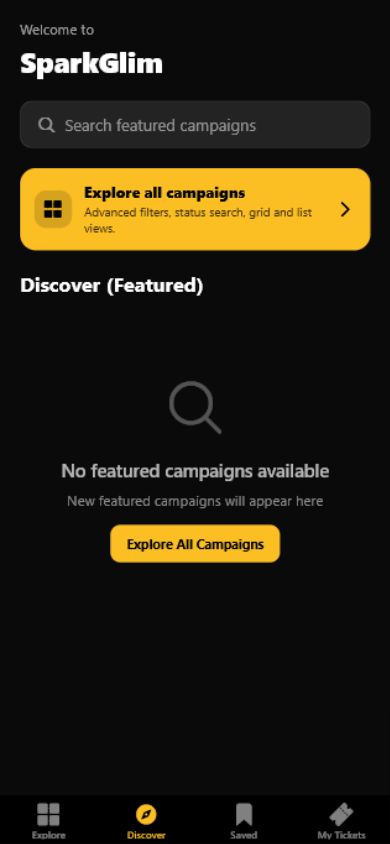
Even the most excited potential attendee can drop out of the purchase process if the checkout flow is overly complicated. Minimizing checkout friction is particularly critical in dynamic markets where mobile devices are the primary tool for discovery and transactions. If your checkout form asks for unnecessary personal information or requires multiple page reloads, conversion rates will plummet.
To streamline the buying journey, limit your form fields to essential information: name, email, and mobile number. Ensure your chosen ticketing platform supports the local payment methods your audience prefers. In Ghana and across West Africa, integrating seamless mobile money options alongside standard card payments is essential. When users can authorize transactions securely in seconds, they are far more likely to complete their purchases. You can explore how frictionless discovery and buying journeys function in real-time by visiting our events portal.
Leveraging Partner Networks and Empathetic Social Proof
Social proof should validate an attendee's decision, not pressure them into a panic buy. Instead of displaying high-pressure pop-ups showing simulated purchases, focus on authentic social proof. Highlight real feedback from previous editions, showcase video testimonials from respected community members, or highlight the profiles of confirmed speakers and facilitators.
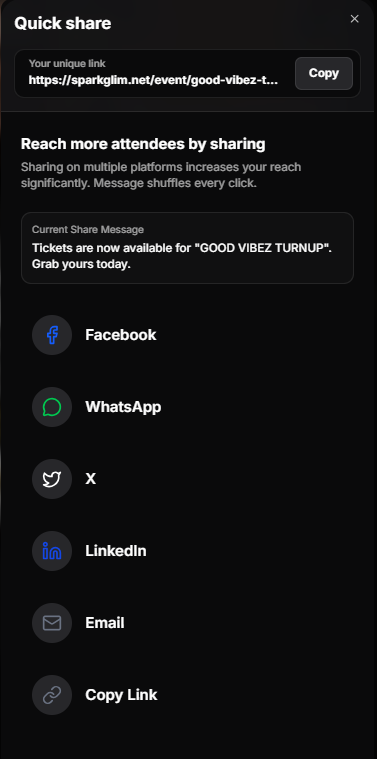
Partner promotion is another effective way to expand your reach. Empower your event speakers, sponsors, and early registrants to share the event with their networks. Providing them with clean, shareable assets and unique tracking links allows them to advocate for your event organically. This collaborative approach builds institutional trust, as prospective buyers are introduced to your event through sources they already respect.
Measurement, Verification, and Post-Purchase Operations
The ticket sale is not the end of the customer journey; it is the beginning of the event experience. Maintain trust post-purchase by sending immediate, automated email or SMS receipts containing clear instructions on how to access the venue. This communication reassurance reduces buyer remorse and minimizes customer support inquiries.
On the day of the event, operational efficiency is paramount. Implementing a reliable QR ticket verification system ensures that attendees are scanned in quickly and securely, preventing bottlenecking at entry points. Clear, professional gates reinforce the value of the digital ticket and set a positive tone for the entire event experience. Use the post-event phase to review your campaign metrics, measuring conversion rates, drop-off points, and peak purchase times to refine your strategy for next time.
The Ethical Ticketing Checklist
Use this operational checklist to ensure your next ticketing campaign maximizes sales while preserving and strengthening attendee trust:
- Transparent Pricing: Display all processing fees upfront rather than hiding them until the final payment screen.
- Uncompromising Deadlines: Keep promotional deadlines fixed and close tiers exactly when advertised.
- Mobile Optimization: Restructure forms to require fewer than four fields for rapid mobile checkout.
- Local Payment Methods: Offer accessible payment channels, including mobile money and card options.
- Immediate Confirmation: Deliver automated digital tickets with unique QR codes immediately upon successful payment.
Frequently Asked Questions
How can I use scarcity to sell tickets without tricking my audience?
Focus on actual constraints such as venue capacity or strictly defined deadlines (e.g., Early Bird ending on a specific date). Avoid fake countdown timers that reset on page reload, as these destroy consumer trust permanently.
What is the best way to handle transaction fees for online event tickets?
Be completely transparent upfront. You can either absorb the payment processing fees into the ticket price or display them clearly on the selection page before the user enters the checkout flow, rather than surprising them at the final payment step.
How does QR code ticket verification protect the organizer and attendee?
QR verification ensures each ticket is unique and can only be scanned once. This prevents fraud, double-selling, and long queues at the gate, building trust and maintaining a professional environment on event day.
What role do mobile wallets play in reducing ticket drop-out rates?
In many regions, particularly Ghana and West Africa, mobile money (MoMo) is the preferred payment method. Offering localized mobile wallet options alongside cards during checkout minimizes friction and prevents drop-outs caused by unsupported payment systems.
Build Your Next Event on a Foundation of Trust
Selling out your event does not require high-pressure tricks. By focusing on smooth checkout flows, clear ticket tiers, and genuine scarcity, you can establish an authentic connection with your community that drives long-term loyalty. When you are ready to launch your next campaign, optimize your registration workflow, and manage secure entry, visit our platform to register your campaign today.
Article gallery
Frequently asked questions
How can I use scarcity to sell tickets without tricking my audience?
Focus on actual constraints such as venue capacity or strictly defined deadlines (e.g., Early Bird ending on a specific date). Avoid fake countdown timers that reset on page reload, as these destroy consumer trust permanently.
What is the best way to handle transaction fees for online event tickets?
Be completely transparent upfront. You can either absorb the payment processing fees into the ticket price or display them clearly on the selection page before the user enters the checkout flow, rather than surprising them at the final payment step.
How does QR code ticket verification protect the organizer and attendee?
QR verification ensures each ticket is unique and can only be scanned once. This prevents fraud, double-selling, and long queues at the gate, building trust and maintaining a professional environment on event day.
What role do mobile wallets play in reducing ticket drop-out rates?
In many regions, particularly Ghana and West Africa, mobile money (MoMo) is the preferred payment method. Offering localized mobile wallet options alongside cards during checkout minimizes friction and prevents drop-outs caused by unsupported payment systems.
Found this helpful?

Comments (0)