
Mastering the Economics of Your Event
Successful event pricing is rarely about picking a single number that feels right; it is a calculated process of aligning the perceived value of your experience with the financial constraints and expectations of your target audience. Whether you are hosting a high-energy campus concert in Accra, a corporate workshop, or a community fundraising campaign, your pricing strategy serves as a primary signal of quality and exclusivity. When organizers treat ticket pricing as a static variable rather than a strategic lever, they often miss out on optimizing both attendance and net revenue.
By leveraging the robust analytics found within your SparkGlim creator dashboard, you can shift from intuition-based pricing to data-driven decision-making. This guide outlines how to structure your ticket tiers, manage capacity math, and use transparent fee structures to ensure your event remains accessible while reaching your financial targets. Before finalizing your checkout flow, consider how your ticket tiers impact the attendee journey on the SparkGlim platform, ensuring that every participant feels the value proposition of their purchase from the moment they visit your event page.
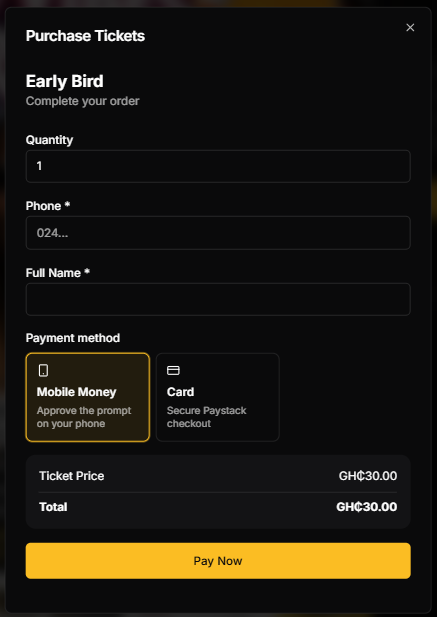
Implementing Value-Based Pricing Tiers
Value-based pricing involves creating distinct categories that cater to different segments of your audience. Rather than offering one flat rate, you can segment your offerings to capture maximum value from diverse participants. This approach is highly effective for events where attendee goals range from basic access to premium networking opportunities.
- Early Access (Early Bird): Reward your most loyal community members or early subscribers with discounted tickets. This strategy helps generate immediate momentum and initial cash flow, which is crucial for early event expenses.
- General Admission: Establish your core price point based on the baseline cost of production plus a sustainable margin.
- VIP or Premium Tiers: Offer added benefits such as priority access, exclusive seating, or specialized digital content delivered through SparkGlim notifications. Ensure the value gap between General Admission and VIP is clearly articulated in your event description.
- Group/Corporate Packages: Encourage higher volume attendance by offering discounts for blocks of tickets. This is particularly useful for university groups or company teams participating in local community events.
The Math of Capacity and Net Revenue
Capacity math is the foundation of your financial planning. You must calculate your "break-even" point—the exact number of tickets sold at a specific average price that covers all your venue costs, marketing expenses, and platform fees. When managing your event via https://sparkglim.net/events, use your project budget as the North Star for setting these capacities.
For instance, if your venue in a city like Kumasi or Accra has a fixed capacity, your revenue is capped. In this scenario, your focus should shift to maximizing the average revenue per user (ARPU). Conversely, if you have a digital-only component or an outdoor space where capacity is flexible, your pricing strategy can be more aggressive, focusing on volume. Always factor in your platform processing fees to ensure your net revenue meets your organization’s goals.
Transparency and Trust in Ticketing
In modern digital commerce, fee transparency is a critical component of user experience. Attendees appreciate knowing exactly what they are paying for, including service charges and platform fees. When organizers hide these costs until the final stage of payment, they risk higher cart abandonment rates. On SparkGlim, ensure your payment contexts—whether card, mobile money, or USSD—are clear to your audience. When participants know exactly what they are paying, they are more likely to complete the transaction.
Testing, Timing, and Iteration
Never rely on a single pricing formula for every campaign. Market conditions change, and attendee preferences evolve. Treat each event as an opportunity to test new strategies. You might try shortening the window for Early Bird tickets or experimenting with a "Flash Sale" announced via email or mobile notification to boost sales during a sluggish period.
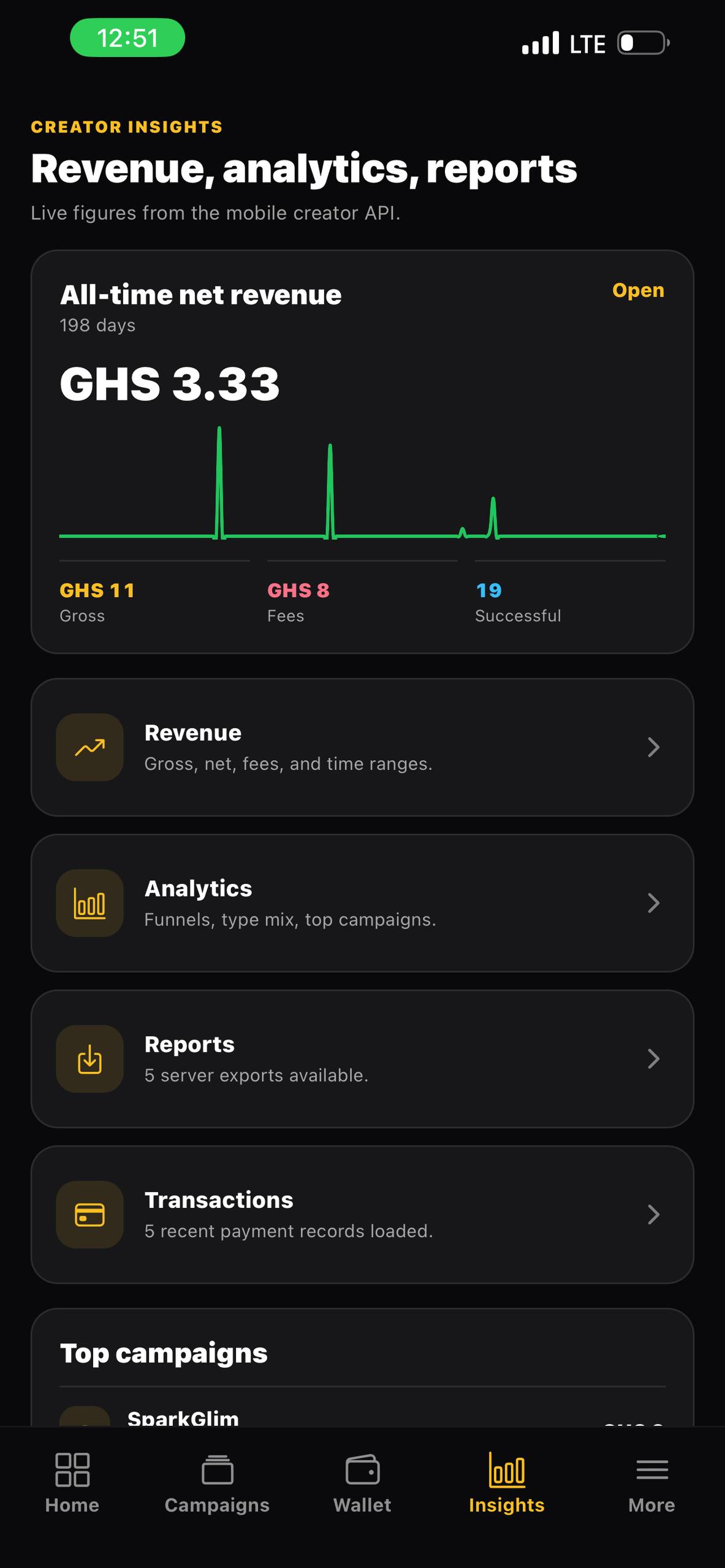
Review your net-revenue reports after each event. Ask yourself: Did we leave money on the table? Did we alienate potential attendees with overly complex tiers? Use the https://sparkglim.net/register portal to review past attendance data and segment your audience. Understanding who your buyers are—be they students, corporate professionals, or families—will dictate whether you should lean into price sensitivity or value-added experiences.
Checklist: Optimizing Your Pricing Strategy
- Define your production costs clearly, including venue rental, marketing, and operational expenses.
- Create at least three distinct ticket tiers to accommodate different customer budgets.
- Set a clear duration for "Early Bird" pricing to drive initial engagement.
- Clearly state all fee structures on your event page to build trust with attendees.
- Check your event capacity against your target revenue goals.
- Use SparkGlim analytics to track which ticket tiers are most popular.
- Review sales data post-event to refine your strategy for the next campaign.
Conclusion: Sustaining Success through Strategy
There is no universal shortcut to perfect pricing, but by combining value-based segmentation, transparent communication, and continuous data analysis, you can build a sustainable financial model for your events. Whether you are scaling a community program or managing a corporate ticketed series, your pricing is a reflection of your commitment to the attendee experience. Leverage your SparkGlim dashboard to stay agile, monitor your results, and ensure your ticketing strategy remains a core asset rather than an afterthought. Ready to set your event up for success? Start by configuring your next ticketed event at https://sparkglim.net/events.
Frequently Asked Questions
- Question: How many ticket tiers should I offer? Answer: Generally, 3 to 4 tiers are ideal—Early Bird, General Admission, and a premium or VIP tier. This provides enough choice without overwhelming the participant.
- Question: How do I decide if my ticket prices are too high? Answer: Monitor your conversion rates in your creator dashboard. If you have significant traffic to your registration page but very few completed transactions, your price point may be misaligned with the perceived value.
- Question: Can I change ticket prices after the event has been published? Answer: Yes, you can update your ticket tiers within your event management settings on SparkGlim. However, be transparent with your audience if you make significant changes.
- Question: How does fee transparency affect my ticket sales? Answer: Transparency builds trust. When users understand the breakdown of their costs, they are less likely to abandon the checkout process, leading to better conversion rates for your event.
Article gallery
Frequently asked questions
How many ticket tiers should I offer?
Generally, 3 to 4 tiers are ideal—Early Bird, General Admission, and a premium or VIP tier. This provides enough choice without overwhelming the participant.
How do I decide if my ticket prices are too high?
Monitor your conversion rates in your creator dashboard. If you have significant traffic to your registration page but very few completed transactions, your price point may be misaligned with the perceived value.
Can I change ticket prices after the event has been published?
Yes, you can update your ticket tiers within your event management settings on SparkGlim. However, be transparent with your audience if you make significant changes.
How does fee transparency affect my ticket sales?
Transparency builds trust. When users understand the breakdown of their costs, they are less likely to abandon the checkout process, leading to better conversion rates for your event.
Found this helpful?



Comments (0)